How Do You Keep a Child From Starving for Under $100? For Annemiek Janssens, It Starts With Operations.

Profile
5 min
Jan 20, 2026

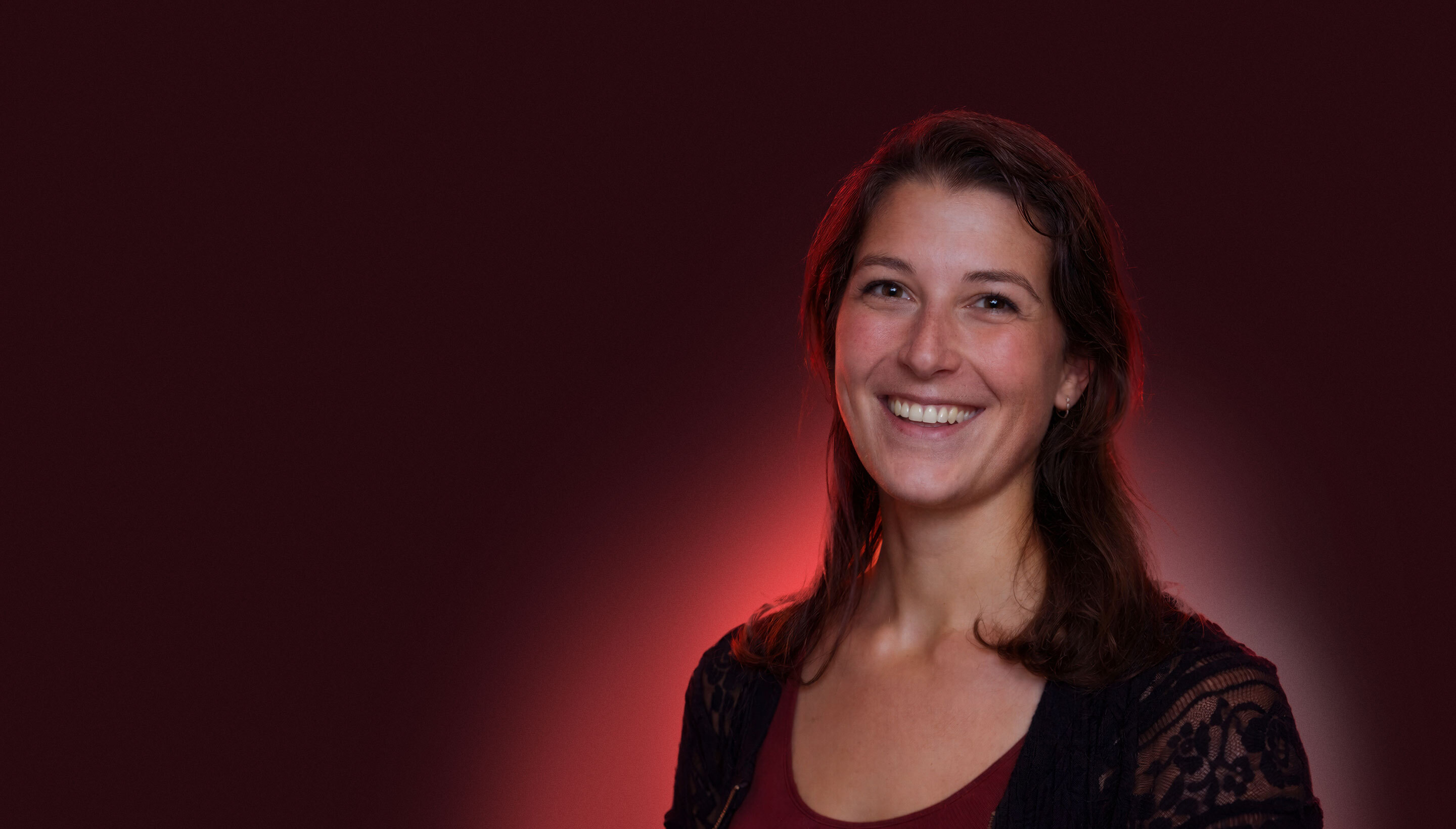
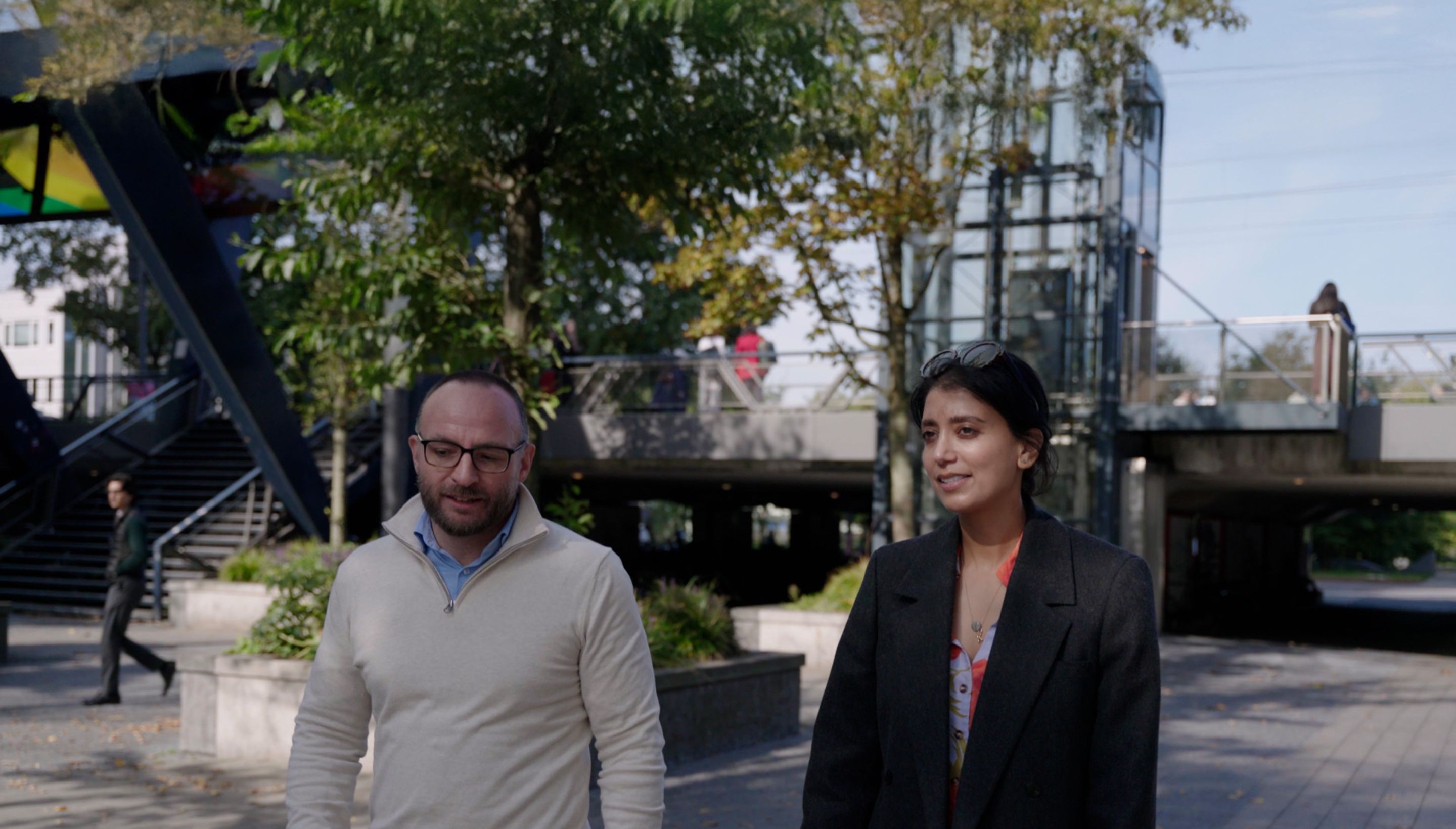
Annemiek Janssens spent years optimizing one of the world's most expensive healthcare systems. Then she left for Nigeria to work with Taimaka, an organization that can now treat severe malnutrition for under $100 per child. That breakthrough isn't medical: it's operational. "If I do my job well," she says, "the story is that other people could do theirs."

During my initial conversation with Annemiek, I sought to explore how she and her organization approached malnutrition management and clinical coordination in the field. 

She stopped me, kindly: she is not a doctor or a community health worker. She runs operations. Her job is to make sure the people who save children’s lives can actually do their work.

“I’m not the clinician,” she told me. “I’m the person who makes sure the clinicians can show up and focus, because the rest is handled.” That correction changed the piece I wanted to write. It also changed how I thought about impact.

As a paediatrician in Anambra State, Nigeria, malnutrition is rarely abstract. It often wears the face of a two-year-old with swollen feet from kwashiorkor or a thin, irritable toddler with marasmic ribs showing through the skin. A mother arrives clutching her child, desperate and exhausted, hoping food and medicine can do what poverty has undone. We weigh the child, and look for small signs of recovery — a steadier gaze, a stronger cry. On good days, we watch them regain strength and laughter. On bad days, the system that should protect them collapses just when it matters most.

Annemiek’s work in operations lives in the gap between those days: the space where systems either hold or break, and where lives hinge on whether everything runs the way it should.

Moving the needle

Annemiek did not start her career in global health. She trained in technical medicine in the Netherlands, and shifted to hospital and health insurance strategy consulting early on in her career, optimizing care in one of the world’s most advanced systems.

“I loved trying to improve Dutch healthcare,” she said. “But taking a 9 out of 10 to a 9.1 felt small compared to places where healthcare is a 3 or 4. I wanted to work where the needle could move a lot.”

"I knew I needed to switch, but I was stuck."


With the conviction that a child in a remote village matters just as much as one born in a European city hospital, Annemiek decided to act on her feeling of unease. She started thinking about her career in terms of the counterfactual: not “Is this good?” but “Is this the best use of me?” Then, she came across The School for Moral Ambition’s Circle program. 

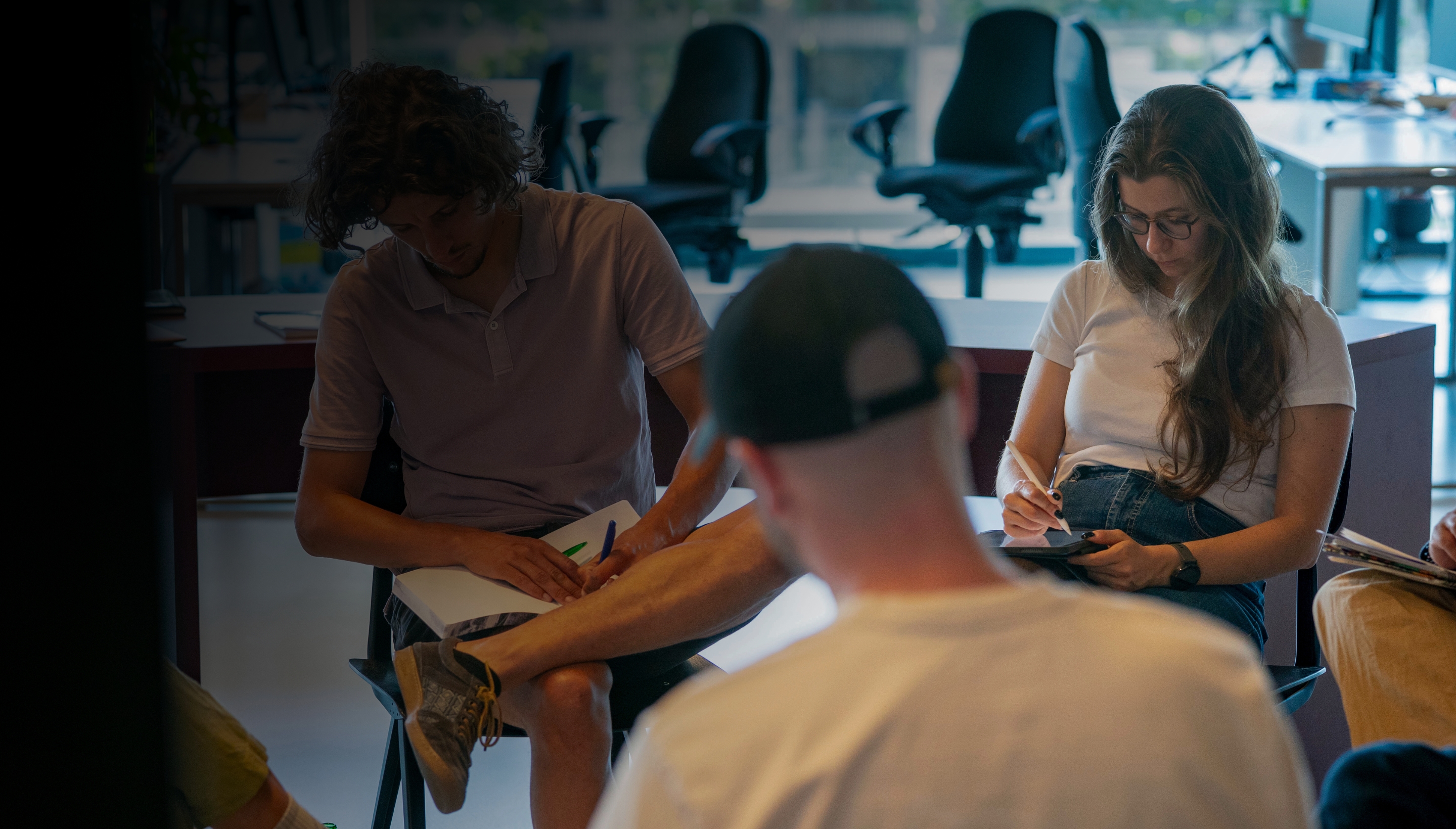
“I knew I needed to switch,” Annemiek says. “But I was stuck. Everyone wanted field experience I did not yet have. The Circle program helped me break the goal into small steps: do a course, volunteer, talk to people, tell them what I’m aiming for.”

These steps helped Annemiek get a foot in the door. Volunteering remotely for Lafiya Nigeria, an organization working on maternal and child health, gave her experience working at a nonprofit trying to maximize impact. And volunteer work in the field with local projects in Tanzania and Uganda helped Annemiek understand healthcare work in low resource settings.

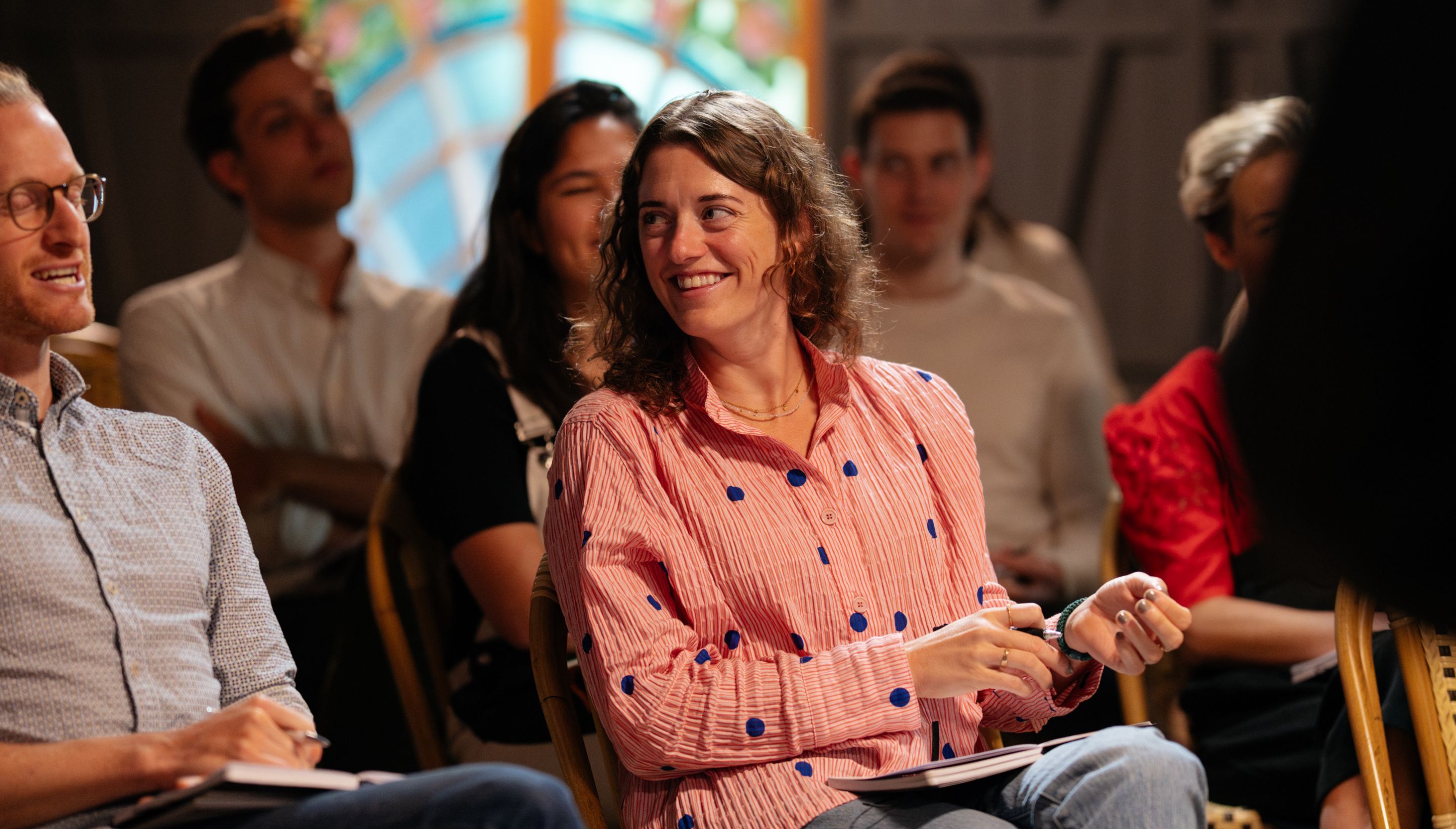
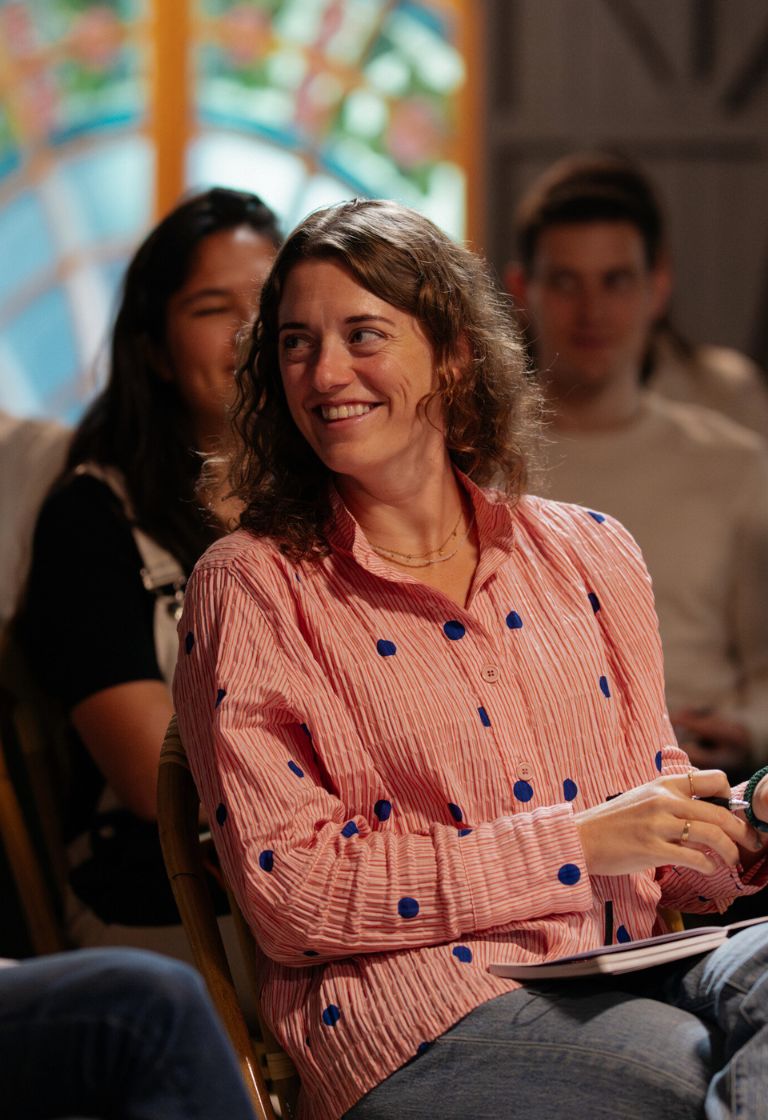
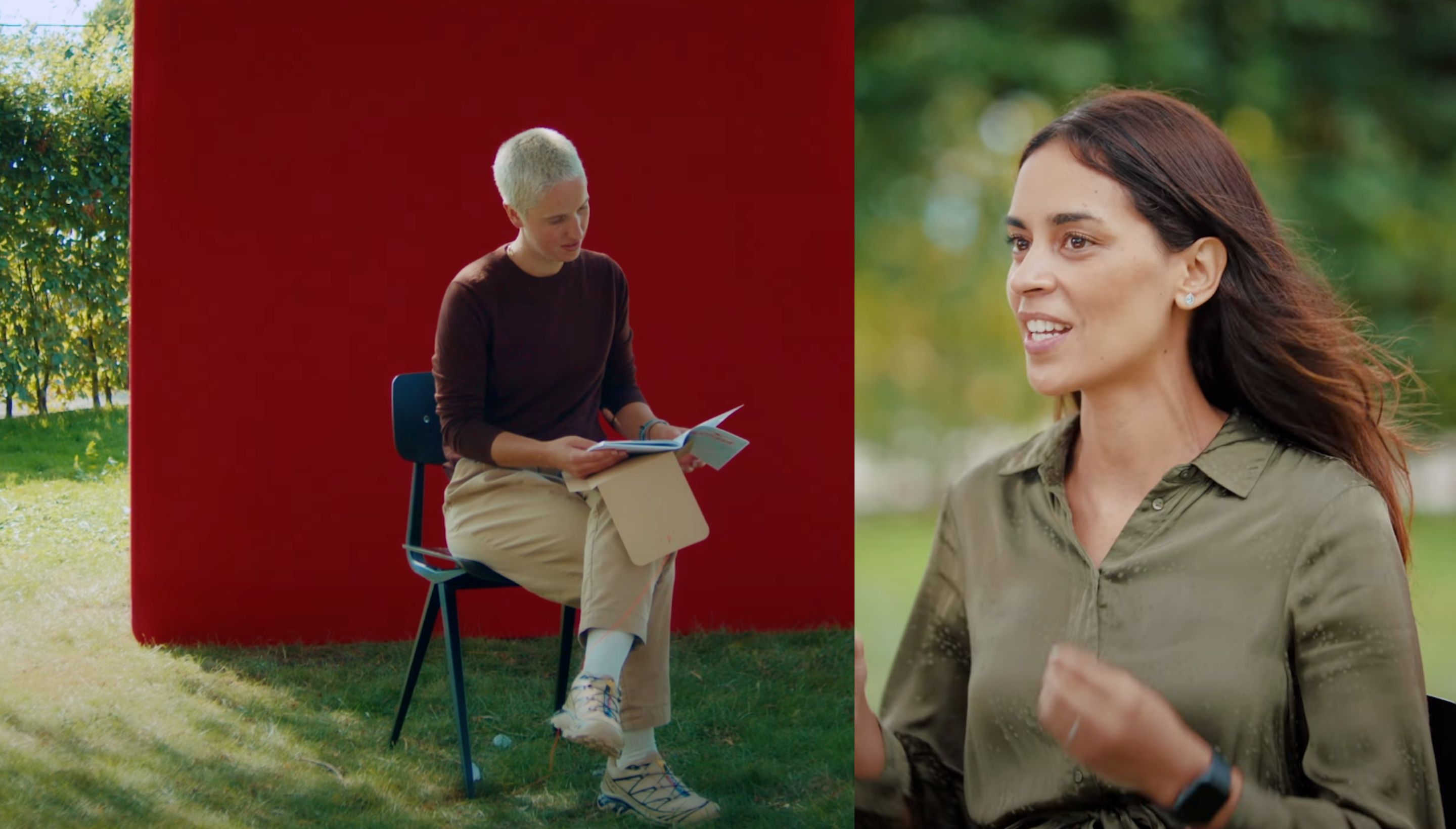
The Circle program helps people find their personal path to more impact. (Photo by Davide Locatelli & Momkai)

The wicked problem of childhood malnutrition

Annemiek’s journey eventually led her to her current role, working in operations for Taimaka: an organization rethinking childhood malnutrition treatment at scale. 

Childhood malnutrition is a particularly hard to eradicate problem, because it is, as Vox journalist Sigal Samuel writes, “not one problem, like a disease caused by a single virus”, but a “devilish set of interrelated problems.” That is why, even in a world that produces enough food for everyone, acute malnutrition remains the leading cause of child mortality, claiming around two million lives each year. 

Recovery often hinges on a small pouch of RUTF (ready-to-use therapeutic food): a vitamin-rich, peanut-based paste that can help severely underweight children recover in weeks. But RUTF is costly, as is traditional clinical care. In Nigeria, treatment has averaged $251 per child, leaving more than 75 percent of malnourished children without care.

Taimaka is a nonprofit organization rethinking how to treat childhood malnutrition at scale

This is where Taimaka comes in. The relatively young organization, founded by Abubakar Umar and Justin Graham, shifts care from hospitals to community health workers, making treatment cheaper and accessible closer to home. They replace paper records with a digital tool that supports triage, data collection, and oversight, improving both efficiency and accountability. And by applying evidence from a recent randomized controlled trial, they’re reducing the amount of therapeutic food needed per child, cutting costs without compromising recovery. As a result, they are able to treat a child for less than $100, a remarkable improvement from the $251 that malnutrition treatment costs on average.

"Taimaka caught my attention because of their radical dedication to saving lives as cost-effectively as possible”, Annemiek shares. “That commitment to impact-driven decision-making resonated deeply with me."

Invisible when it works

In the field in Nigeria, the stakes became painfully clear immediately. 

“On my first day, a child died”, Annemiek shares. “You don’t forget that. You can’t wait to solve macroeconomics while children are dying. You act now, and you keep learning so you can do it better.”

Annemiek’s work focuses on the often invisible parts of treating malnutrition: the logistics, the organization, the reliability — the quiet forces that keep a child alive long enough to heal.

“Operations is invisible when it works,” she said. “If I do my job well, the story is that other people could do theirs.”

Take payments, for example. One of the issues Taimaka faced was that reimbursing staff took multiple days. This meant problems went unsolved, and staff couldn't take ownership of their work in real time. 

“If materials don’t reach the site, how do staff treat patients?”


"We introduced a new payment method that gave specific staff members the authority to make small payments directly," Annemiek explains. "So when the handwashing station runs out of soap or the solar system breaks down and needs a small repair, staff can fix it the same day."

Annemiek is working on enacting a shift from constant improvisation to dependable structure — from paper forms and photos to real-time tracking, and from short-term fixes to systems strong enough to last.

“If materials don’t reach the site, how do staff treat patients?” she asks. “Professionalizing is not just bureaucracy, it’s also how you make sure care actually happens.”

Treat who’s in front of you, learn from who’s not

I asked how communities accept the work. Her answer revealed the heart beneath the systems thinking:

“All our field staff are local. The person knocking is someone they know. When mothers can’t leave home because no one can watch other children, we talk to fathers. We feed caregivers during admission. Small things that remove real barriers.”

The approach Taimaka takes blends the urgency of the often dire situation on the ground, with the iteration needed to improve that situation longterm. 

“We treat the children in front of us now”, Annemiek explains. “But we also study who doesn’t respond and who relapses later. Every non-response is a question we have to answer.”

This is what disciplined improvement looks like: evidence, iteration, feedback loops, and the humility to adapt. In my own practice, I have seen it: a parent tries, the transport fails, money runs out, relapse into malnutrition follows. Relapse in these cases is not neglect, but systems failure wearing a human face.

Annemiek’s work fights that erosion: dependable salaries (corrected for inflation), fast payments, caregiver meals, simple and repeatable protocols, support at the margins of people’s lives — the places where outcomes are actually decided.

“You can call it compassion,” she said. “But it’s also good operations. Lower friction means more children complete treatment. That’s the whole point.”

One frame wider

From where I’m writing in Anambra, the rains have eased. I picture a ward far away in Gombe at 2 AM. A caregiver admits a child, because the caregiver was provided with a meal and able to stay longer. The solar backup holds, providing light and power, and supplies have arrived on time earlier that day. A child lives.

Taken apart, none of these efforts are dramatic. Together, they are lifesaving. This is what drives Annemiek. She explains: 

“When research can focus on research, when clinicians can focus on care, when our field teams have what they need — that’s when operations has done its job.”

If moral ambition means matching our effort to the scale of the problem, then Annemiek’s story is an invitation. Some of us will treat patients and run clinics. Some will code logistics tools. Some will build systems or knock on doors. All of us hold a corner of the same promise: a child who gets to live and grow.

So next time you see a photograph of a child restored from hunger, look one frame wider. Behind that moment are quiet hands like Annemiek’s, keeping the system steady and the engines humming. 

When I ask what keeps her going, Annemiek smiles. “Because it works,” she said. “Aim high, then take the next small step, and watch change happen.”

Chisom Nri-Ezedi is a Consultant Paediatrician and global health researcher working at the intersection of child health, data, and digital innovation. She is a Senior Collaborator with the Global Burden of Disease Study, with publications in high-impact journals including The Lancet. Her work focuses on using data-driven approaches to improve paediatric health outcomes in low- and middle-income countries.

Heading 1

Heading 2

Heading 3

Heading 4

Heading 5
Heading 6

Lorem ipsum dolor sit amet, consectetur adipiscing elit, sed do eiusmod tempor incididunt ut labore et dolore magna aliqua. Ut enim ad minim veniam, quis nostrud exercitation ullamco laboris nisi ut aliquip ex ea commodo consequat. Duis aute irure dolor in reprehenderit in voluptate velit esse cillum dolore eu fugiat nulla pariatur.

Block quote

Ordered list

  1. Item 1
  2. Item 2
  3. Item 3

Unordered list

  • Item A
  • Item B
  • Item C

Text link

Bold text

Emphasis

Superscript

Subscript

Heading 1

Heading 2

Heading 3

Heading 4

Heading 5
Heading 6

Lorem ipsum dolor sit amet, consectetur adipiscing elit, sed do eiusmod tempor incididunt ut labore et dolore magna aliqua. Ut enim ad minim veniam, quis nostrud exercitation ullamco laboris nisi ut aliquip ex ea commodo consequat. Duis aute irure dolor in reprehenderit in voluptate velit esse cillum dolore eu fugiat nulla pariatur.

Foto Martijn

Block quote

Ordered list

  1. Item 1
  2. Item 2
  3. Item 3

Unordered list

  • Item A
  • Item B
  • Item C

Text link

Bold text

Emphasis

Superscript

Subscript