Follow
our
fellows
In April 2025, our first cohort completed their trajectory and began transitioning into high-impact roles. On our website, you'll find an overview of all our fellowships, why we chose those areas, and how to apply.

Meet our fellows: a diverse group of 22 dedicated professionals, united by their commitment to impact. Some were consultants, lawyers, or marketeers — all have now dedicated their careers to addressing two of today's most pressing challenges: accelerating the protein transition and combating the tobacco industry.
We selected the fellows for the skills and experience they bring to these neglected issues, and their willingness to pursue a career in service of lasting impact. In April of 2025, the first cohort will finish their trajectory and be available for high-impact positions in their respective fields.

our Fellows
Current Fellows

Global Tax Fairness
The Global Tax Fairness Fellowship drops experienced professionals into the fight to make the ultra-rich pay their share. These fellows build the coalitions that turn slogans into serious policy, on four continents.
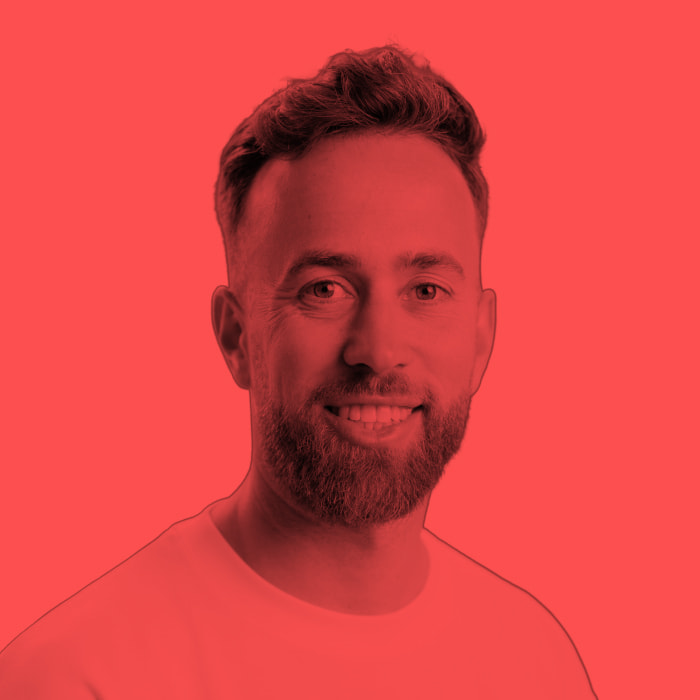


Boudewijn is an entrepreneur and storyteller with a background in economics. He helped grow a startup into a content agency before pivoting to documentary production, with films on Dutch TV and streaming platforms. Placed with Oxfam Novib, in collaboration with ICRICT, he focuses on public narrative-building: translating technical tax-fairness research into messaging that resonates outside progressive policy circles, using storytelling techniques from his documentary career to build broader support for taxing extreme wealth.
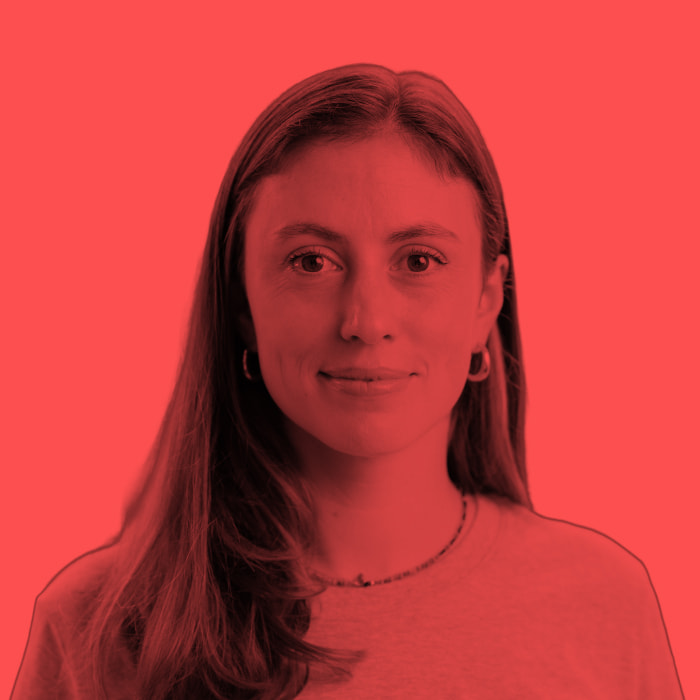
Colombe Cahen-Salvador
Colombe is a political organizer and movement-builder. She co-founded Atlas, a global political movement with supporters in 134 countries, and previously co-founded Volt Europa, the first pan-European political party, where she led policy work. Placed with the International Tax Observatory, she centers her work on coalition-building and political strategy for tax-reform advocacy, helping the Observatory's research gain traction with legislators and civil-society partners across countries. Her record scaling a global movement is a direct asset for building a worldwide tax-justice coalition.
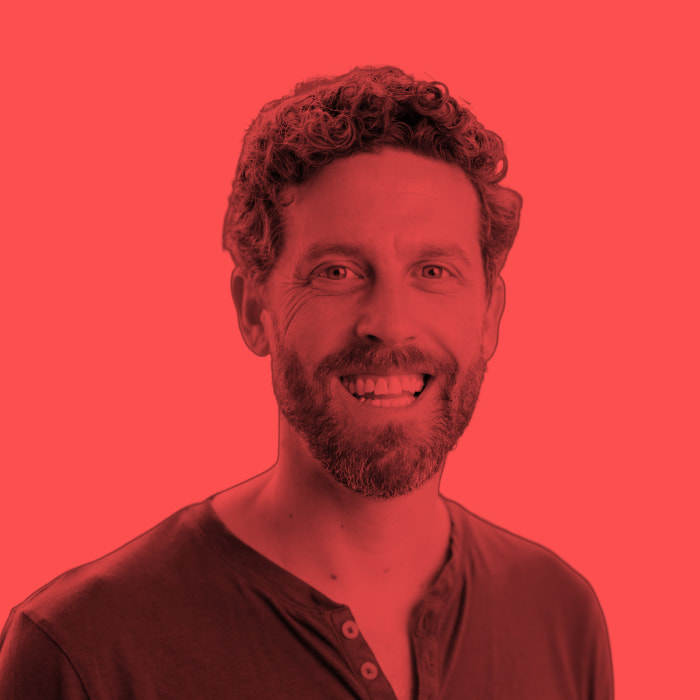
David Mitchell
David is a tax-policy expert who has held roles with the U.S. Senate Finance Committee, the White House National Economic Council, and Senator Sherrod Brown, and serves as a Senior Fellow at the Washington Center for Equitable Growth. Placed with Equitable Growth and drawing on its network of affiliated economists and tax-law scholars, he researches under-examined tax-avoidance mechanisms, particularly the use of dynastic-wealth trusts. His work is timed to feed into the U.S. tax-reform debate ahead of the 2026 midterms and the 2028 presidential primary cycle.
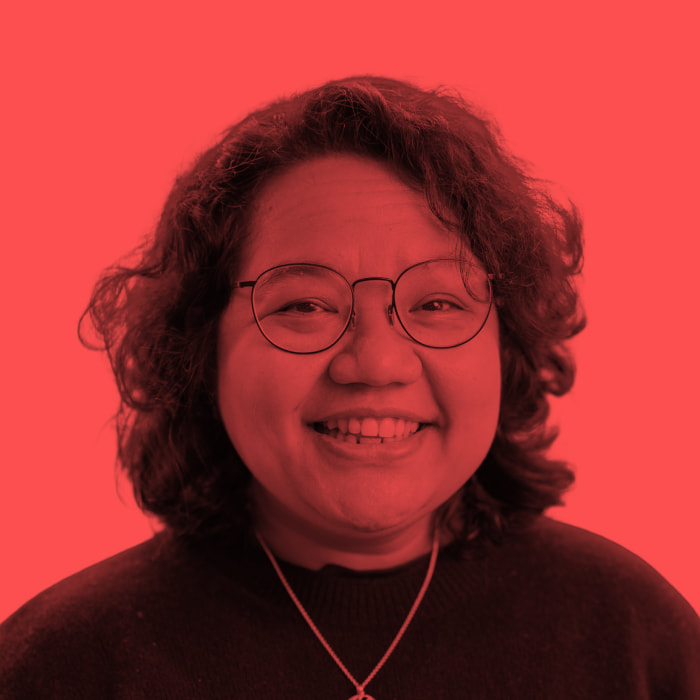
Jean, raised in the Philippines, has worked across Europe and Asia and believes tax systems should be a tool for equitable development. After more than a decade with multinational businesses and an MSc in Taxation from Oxford, she is shifting from navigating tax systems to shaping them. Placed with the South Centre, an intergovernmental think tank for developing countries, she works to strengthen developing-country positions in international tax-cooperation negotiations, applying her private-sector expertise in reverse to help governments close loopholes she once navigated herself.
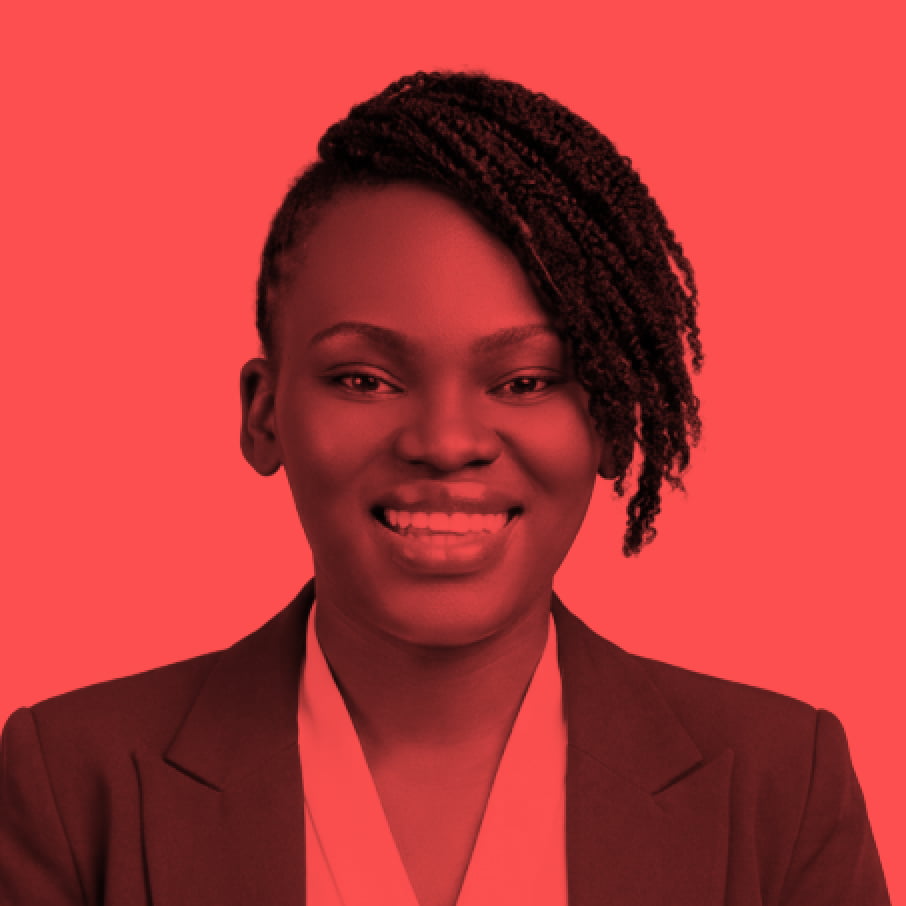
Ellen Makinishi
Ellen Makinishi
Ellen is a development economist and researcher with expertise in public-finance management, international taxation, sovereign debt, and natural-resource governance, focused on advancing tax fairness across Africa. Placed with the House of Fiscal Wisdom and working alongside the UN Independent Expert on Foreign Debt and Human Rights, she supports research and advocacy connecting taxation to human-rights obligations, particularly for African economies affected by debt and resource-governance issues. Her research is positioned to feed directly into the UN Independent Expert's official reporting.
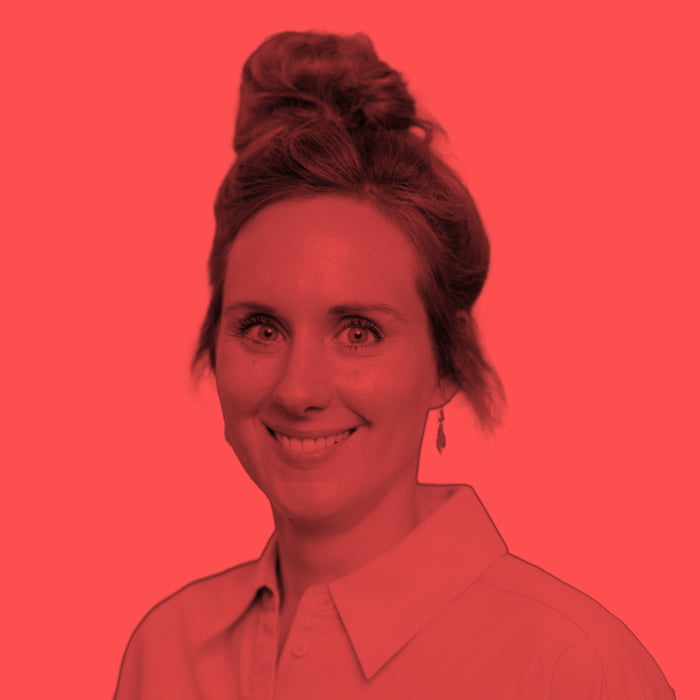
Mareike is an economist and tax advisor with a background spanning central banking, management consulting, and corporate governance. She believes fair tax systems can strengthen public institutions and advance economic justice. Placed with the International Tax Observatory as a part-time fellow, she contributes technical tax and governance expertise to its research agenda, helping translate central-banking and corporate-governance knowledge into policy-facing work on international tax cooperation and the practical mechanics of wealth-tax administration.
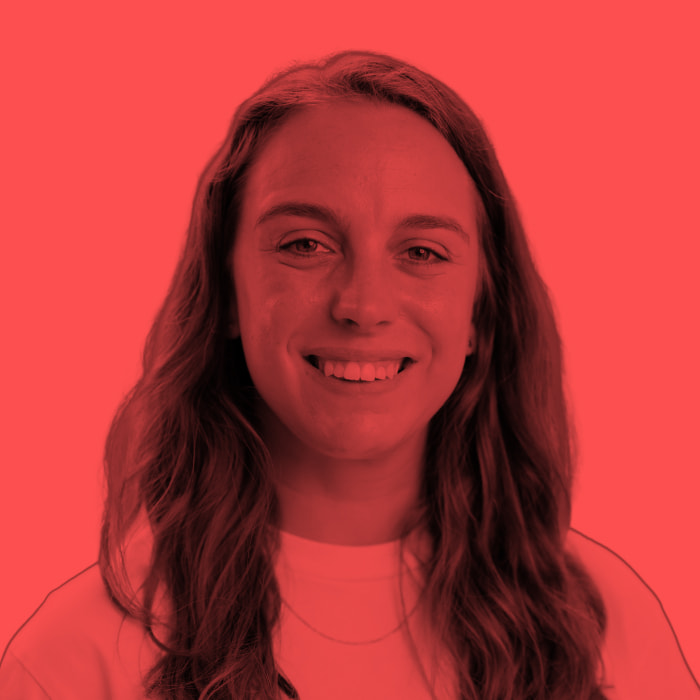
Melissa spent several years leading AI product teams before deciding she was more interested in improving the systems that shape people's lives than building digital products. After launching a civic-engagement initiative in her community, she set her sights on public policy. Placed with Patriotic Millionaires, she applies strategic-communications and coalition-building skills to campaigns pushing high-net-worth individuals and legislators toward progressive taxation, helping sharpen messaging and outreach around active proposals such as the Equal Tax Act and the Anti-Oligarch Act.
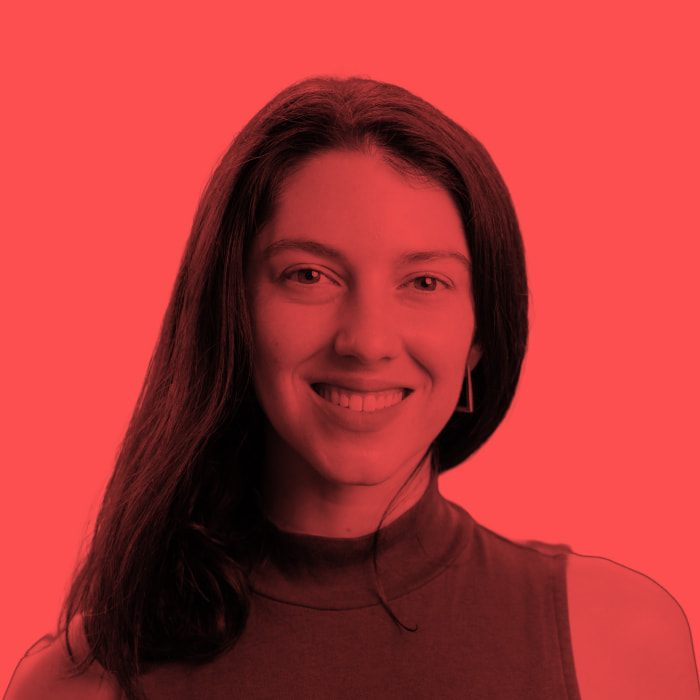
Michelle Fauber
Michelle joined the U.S. government through the Presidential Management Fellowship for what became seven years with USAID, working on economic growth and helping attract private investment to Latin America and Africa. That work fueled her central question: how can countries retain more of the value their economies create when capital moves faster than tax systems can adapt? Placed with the Center for Economic and Social Rights, she works on its tax-and-human-rights agenda, connecting U.S. tax-avoidance mechanisms to their downstream effects on revenue collection in lower-income countries.
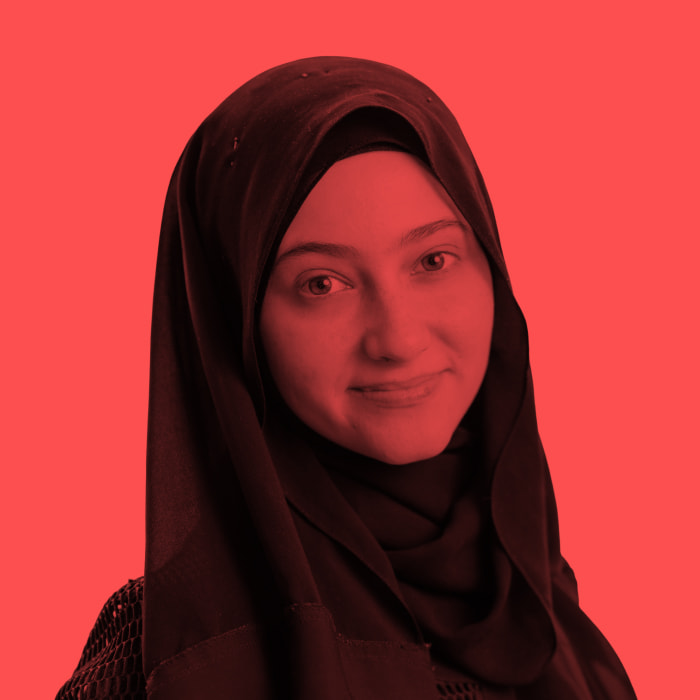
Miha Isik
Miha is a quantitative policy researcher whose work spans higher education, labor markets, climate policy, and civic participation, alongside advisory roles and youth-leadership initiatives that bridge evidence and public decision-making. Placed with the Canadian Centre for Policy Alternatives as a Visiting Progressive Economics Fellow, she contributes to the Alternative Federal Budget — the Centre's flagship annual publication and one of Canada's most established progressive-policy tools — and conducts data analysis on executive compensation, supporting core research on inequality.
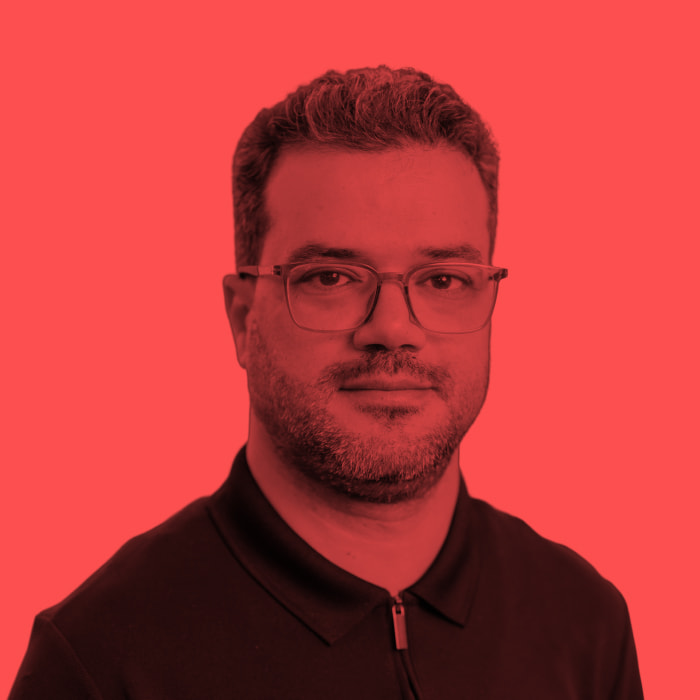
Mouheb Karoui
Mouheb brings over a decade in anti-corruption and fiscal transparency. He co-founded I WATCH (Transparency International Tunisia) and served as its Executive Director, and as SWANA Regional Coordinator at the UNCAC Coalition he led initiatives on asset recovery and beneficial ownership. A Chevening Scholar with a Master of Public Policy from Bristol, he is placed with the Canadian Tax Observatory and Canadians for Tax Fairness, connecting research and grassroots advocacy and bringing an asset-recovery and beneficial-ownership lens to Canadian tax-fairness work.
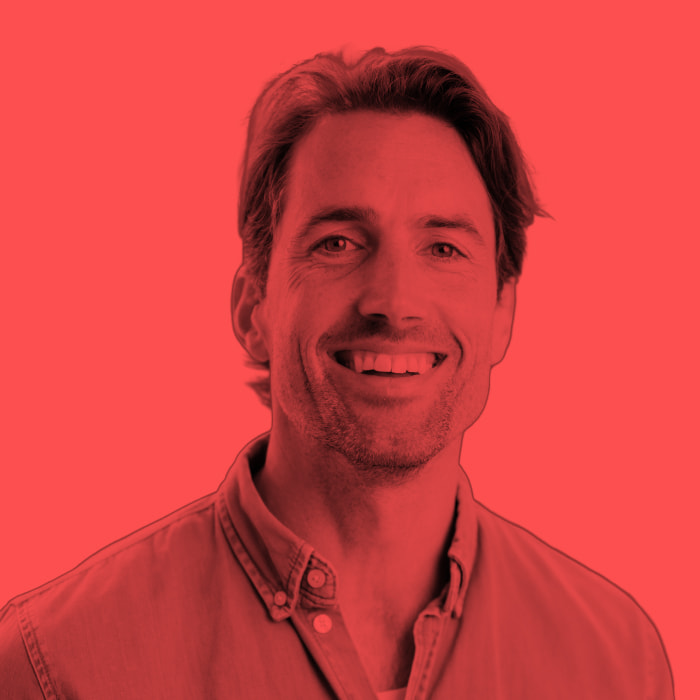
Paul is an economist with eighteen years of business experience, first as an investment director at private-equity firm CVC Capital Partners, then as CFO of med-tech scale-up ZorgDomein and of several health-supplement scale-ups. He sees financial inequality as the most pressing social issue of our time. Placed with The School for Moral Ambition as a part-time fellow, he focuses on outreach and movement expansion, drawing on his business and philanthropic connections to engage audiences who wouldn't typically encounter progressive tax advocacy.
Tobacco Free Future
The Tobacco Free Future Fellowship drops experienced professionals into the fight against one of the deadliest industries of our time. These fellows take on an industry most people think we already beat.
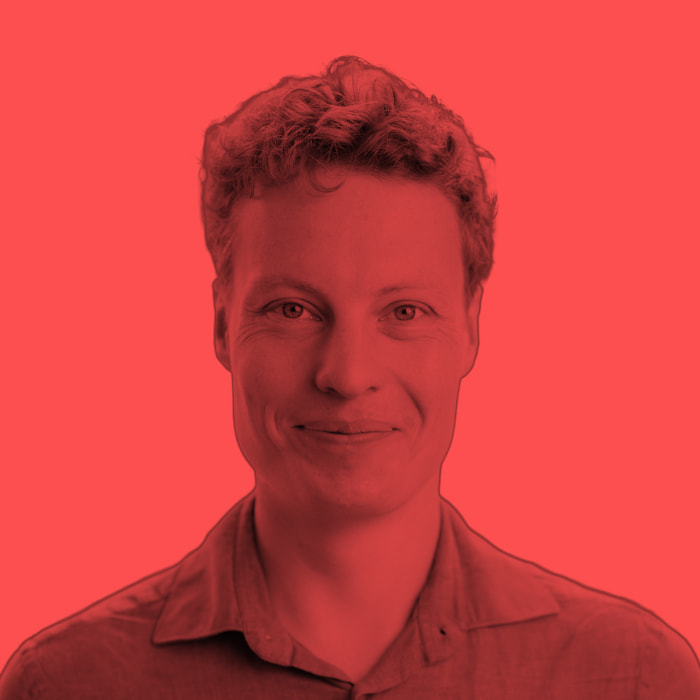
Mathijs is a PhD biophysicist and impact consultant who has helped advance tobacco policy through the Dutch party D66, including denicotinization, raising the legal age for nicotine products to 21 years and a tobacco-free generation. He is currently a board member of the Make Tobacco Pay foundation, that will start a civil law suit against the tobacco industry in the Netherlands. Placed at the European Cancer League in Brussels, he brings rigorous systems thinking and a track record of translating evidence into political action to the fight for stronger tobacco control across Europe.
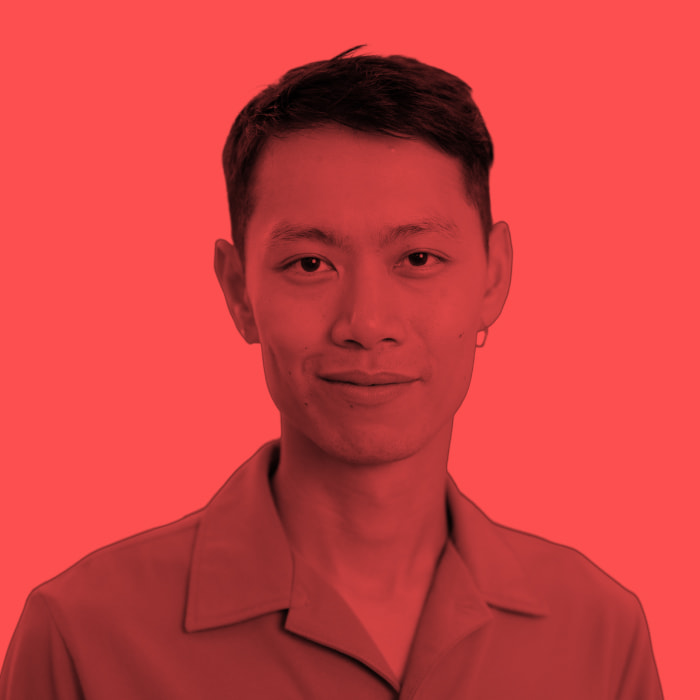
Mingjun is a senior digital-marketing strategist with a decade of experience building consumer campaigns at companies including Marshall Group and Samsung. Placed at the Danish Cancer Society in Copenhagen, he brings an insider's understanding of how addictive products are marketed digitally — and the skills to counter it — to the work of reducing tobacco use across Europe.
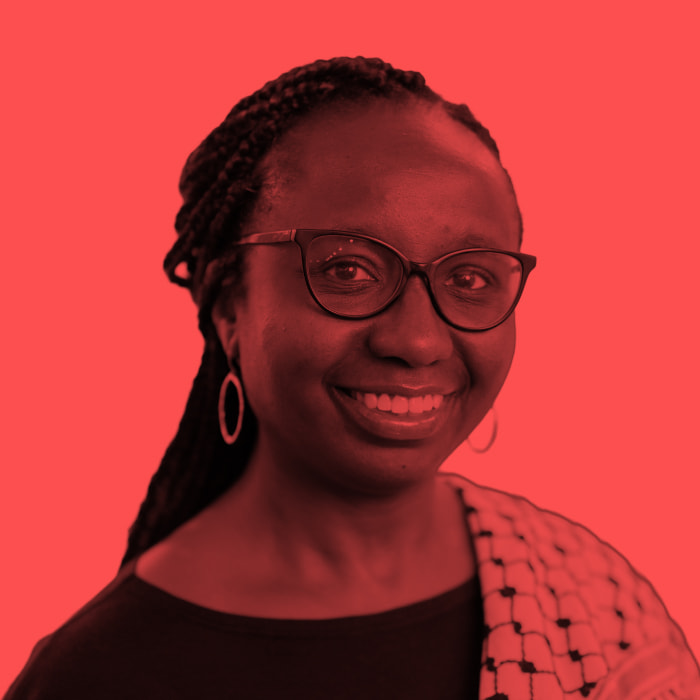
Onome is a public-health scientist, teacher and communicator with decades of experience, peer-reviewed publications, and an awarded journalism fellowship. Placed at the Tobacco Control Research Group in Bath, she brings rare depth in evidence synthesis and a gift for translating complex research into policy-facing and public communication in the fight against the tobacco industry.
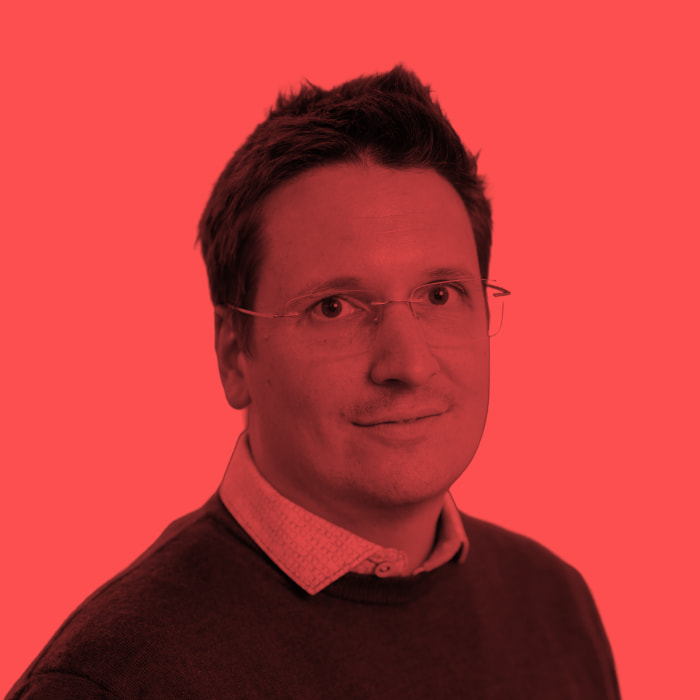
Martin is a film scholar, journalist, and storytelling professional with a doctorate and editorial experience at ZDF. Placed at TIME: For a nicotine-free future in Germany, he brings deep expertise in narrative strategy and communicating across diverse audiences to the project of countering disinformation by the tobacco industry.
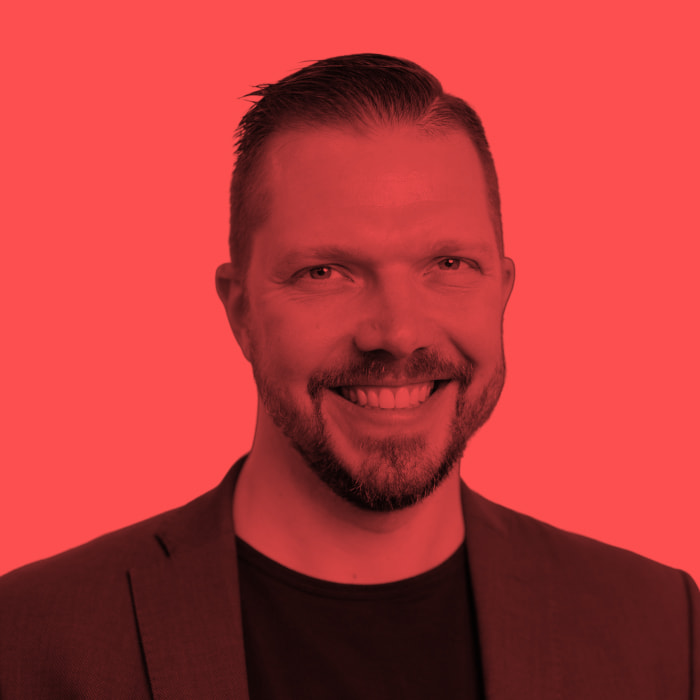
Siim is an organizational strategist who has scaled people systems across more than fifty countries at Bolt, Nortal, and Meliva, and serves on Tartu City Council's Social Affairs Committee. Placed at the Smoke Free Partnership in Brussels, he brings exceptional coalition-building ability and structured strategic thinking to the European tobacco-control movement.
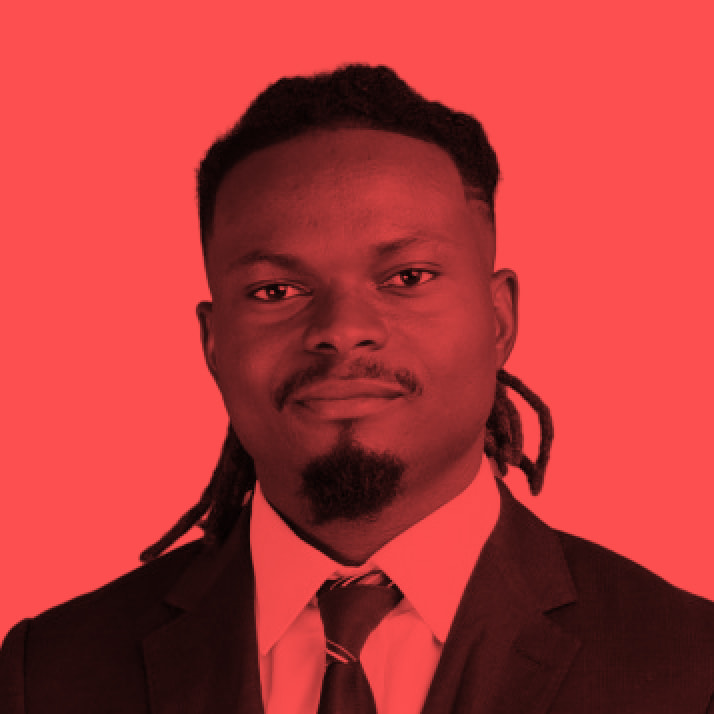
Jeremiah is the founder of Optim Energy, a PhD researcher, and a youth-policy advocate recognized through the Global Student Prize and Forbes Africa 30 Under 30. Placed at Impact Unfiltered in Brussels, he brings entrepreneurial drive, community-centred instincts, and a track record of building impactful initiatives from the ground up to the fight against the tobacco industry.
.jpeg)
Jan-Niklas is a strategy and sustainability professional with a background in ESG advisory at SEB and in renewable-energy development. Placed at the European Respiratory Society in Brussels, he brings sharp analytical thinking and a drive to turn systemic knowledge into real-world change to the work of strengthening tobacco control across Europe.
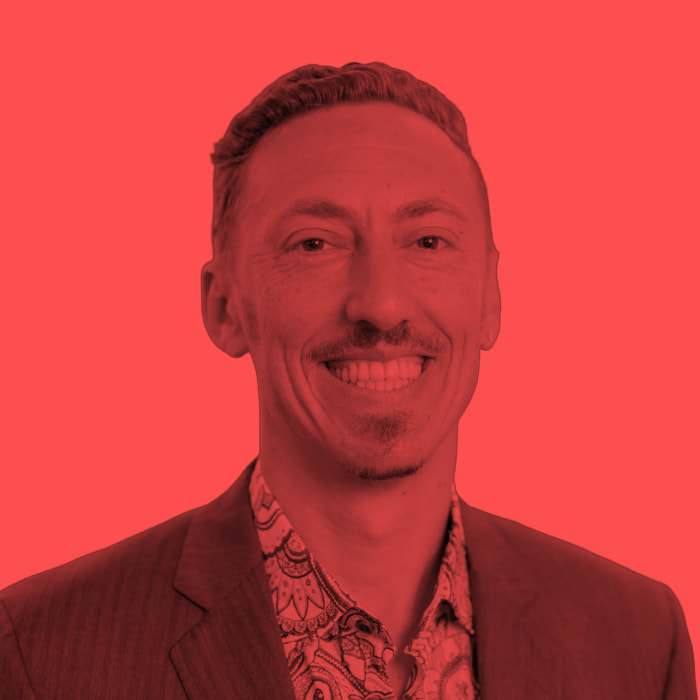
Yogi is an environmental philosopher and public-health expert with twenty years in tobacco-control research at UCSF, including expert reports for the European Commission. An associate fellow based at Erasmus University Rotterdam, he brings deep academic credibility and a growing focus on translating that expertise into policy impact against the tobacco industry.
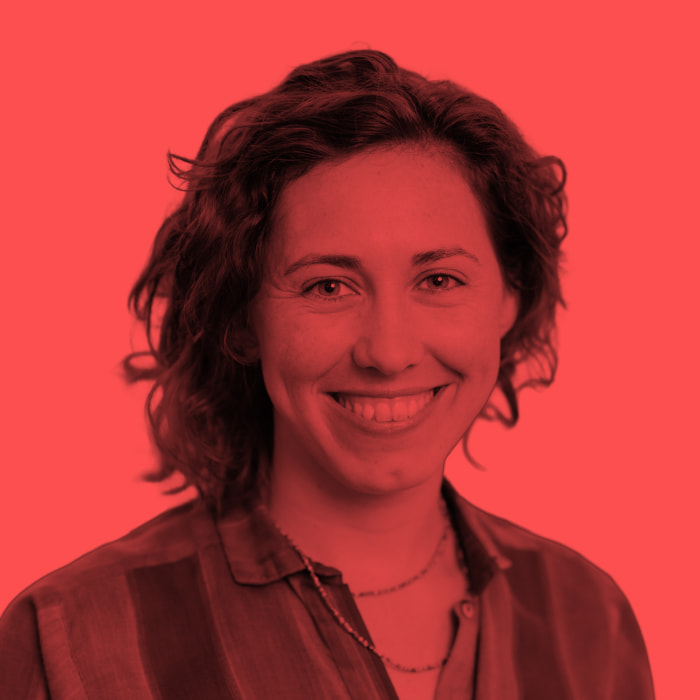
Myrthe Stienstra
Myrthe is a researcher and educational consultant with direct access to over 120,000 school leaders across 28 European countries through the European School Heads Association. An associate fellow working at ESHA in Brussels, she brings a practical, well-connected channel for taking tobacco prevention into schools across Europe.
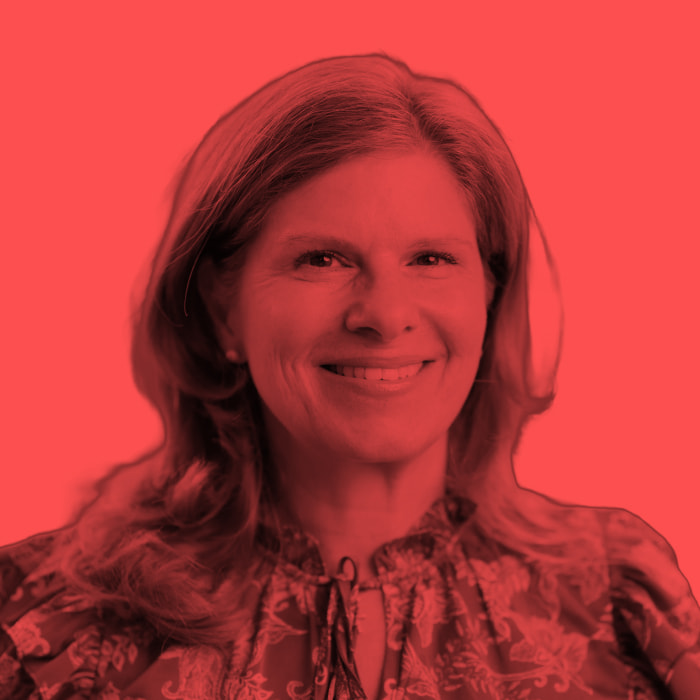
Erica is an internal auditor and civic volunteer with a strong track record of analytical initiative and cross-functional collaboration. An associate fellow placed at INTERAMERICAN, part of Achmea, in Athens, she brings structured problem-solving skills and a commitment to contributing beyond her immediate role to the tobacco-control cause.
EU Food Transition
The EU Food Transition Fellowship drops experienced professionals into the movement reshaping how Europe produces food. These fellows sit at the tables where the protein transition is being negotiated.
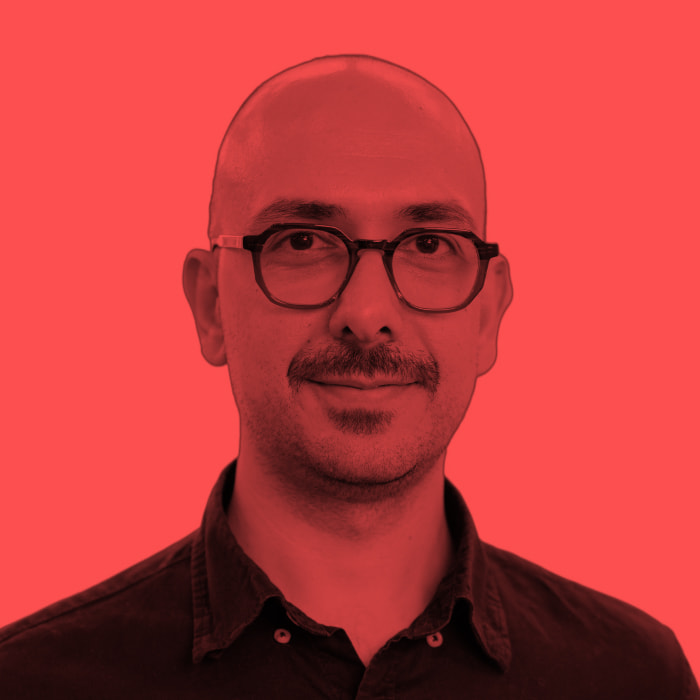
Adam Elsod
Adam is a movement builder, solidarity economy practitioner and policy expert with 15+ years of experience scaling initiatives rooted in collective power. He co-founded VOICIFY, the first European umbrella organization representing young migrants, spanning 40 organizations in 17 countries. He has worked at the European Parliament and is setting up a food cooperative in Brussels. Placed at the European Alliance for Regenerative Agriculture and BirdLife Europe — a farmers' network and a nature-conservation group — he brings organizing energy and institutional experience to the food transition.
.jpeg)
Elena Gozun-Deleanu
Elena spent fourteen years working inside the EU institutions, in national capitals, and across NGOs and industry. She once helped move a major company from resisting a European deforestation law to publicly backing it. Placed at Madre Brava and Euroconsumers — a food-campaign group and a European consumer organization — she brings deep institutional know-how and a talent for turning opponents into allies to the EU food transition.
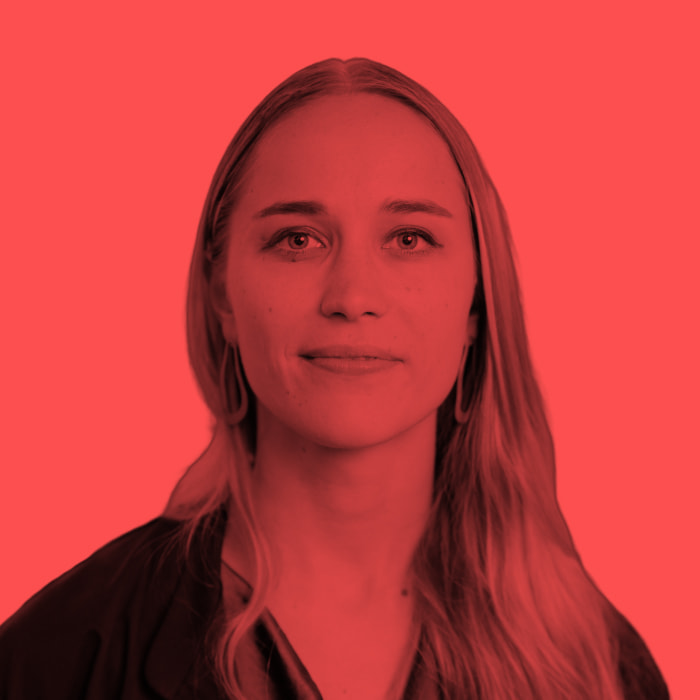
Isa is a Belgian EU-policy consultant who established an impact team as part of her work at Ecorys Consultancy. She has worked with more than eight departments of the European Commission and on several EU policy files relating to innovation and animal welfare. Placed at Cellular Agriculture Europe, the industry group for cell-grown products, she brings EU policy fluency and institutional knowledge to advance efforts on cultivated protein.
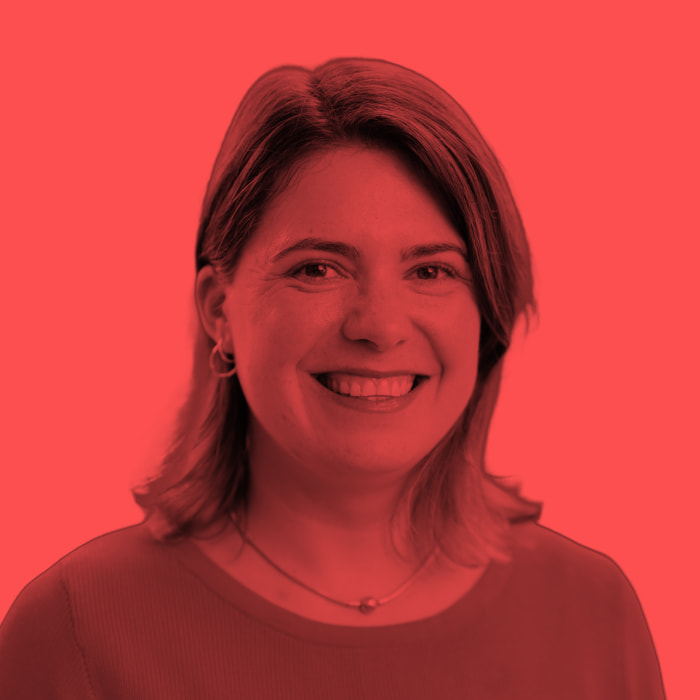
Eva came to the EU from North Macedonia on a volunteer exchange in France and stayed, spending nine years in the private sector at POLITICO and then Adobe, after earlier work at a homeless shelter in Cork. Placed at The Protein Project, she brings communications and private-sector experience to the coalition working to diversify Europe's protein supply.
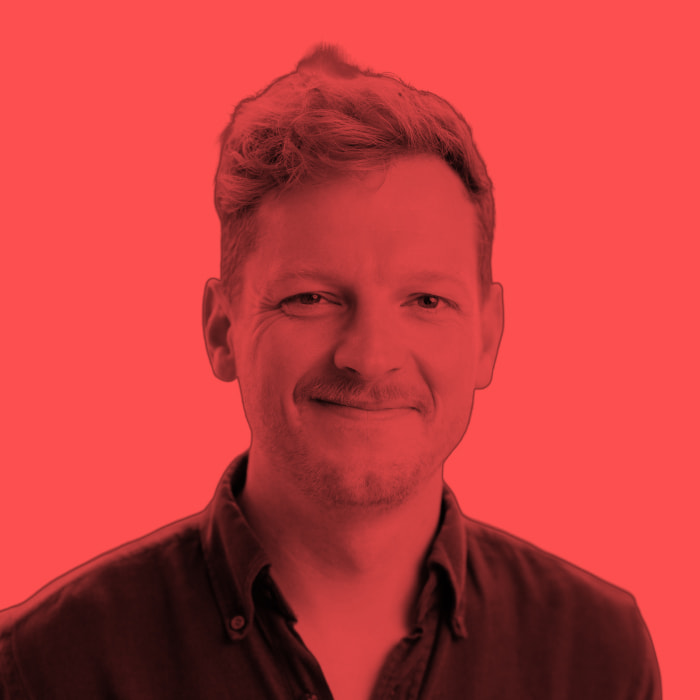
Jan was the first in his family to go to university and one of few working-class students at a top business school, an experience that shaped how he thinks about who gets ahead and why. After years in sales, including building the sales team of a mobility scale-up, he spent four and a half years at Porsche Consulting. An ultra runner and cyclist, he is now at EuropaBio, the industry group for European biotech companies, combining strategic rigour with storytelling to help food biotechnology find its audience.
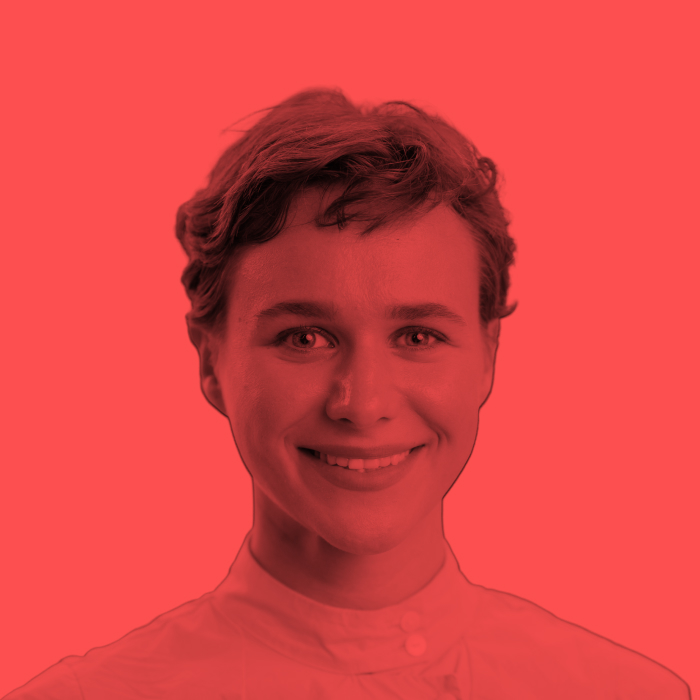
Kristina Kiminiūtė
Kristina has spent seven years at the London School of Economics, from writing the R&I Division's communications strategy to a fast-rising role at LSE Consulting, managing a research portfolio worth nearly three million pounds. At the Jeremy Coller Centre for Animal Sentience, she researched human attitudes towards animals and the intersection of AI and animal welfare, before turning to food systems and a just, animal-inclusive transition. She is now at CEPS, one of Brussels' largest think tanks, applying her expertise in novel proteins to EU food and protein policy.
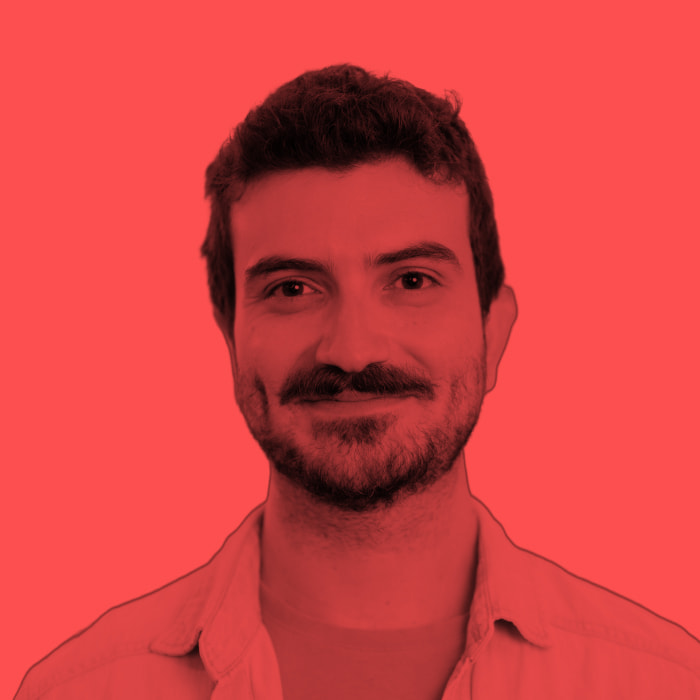
James is a marketer who studies why people choose the food they choose; his master's research at UCL examined why the word "vegan" puts shoppers off while "plant-based" does not. A gifted communications talent who once rewrote messaging that quintupled sales, he is placed at the Good Food Institute Europe, a nonprofit working on alternatives to meat, where he brings consumer insight to growing demand for plant-based food.
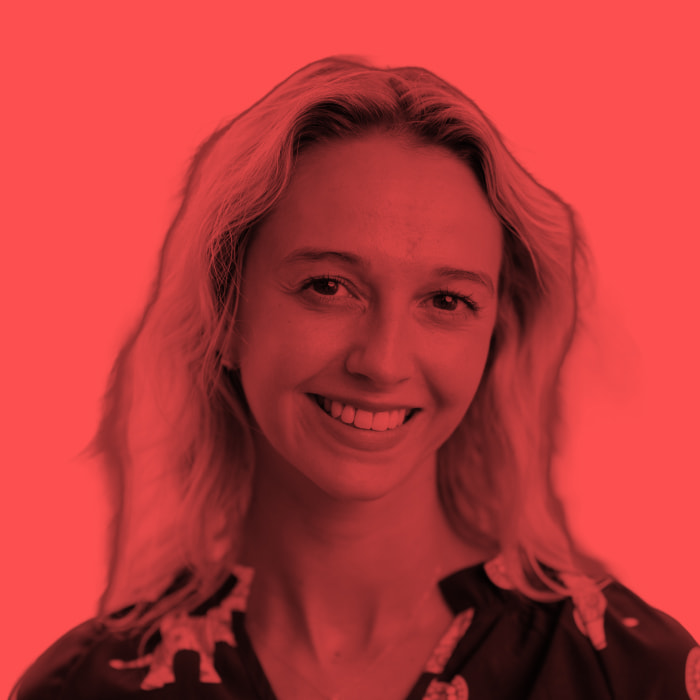
Riley Gabriella Elizabeth Forson
Riley was formerly an associate at the law firm Macfarlanes before moving to Brussels to focus on animal rights. A passionate advocate, she got an elephant-swimming attraction shut down by showing the booking platform the legal risk it was running, and prompted a review of its animal policy in the process. A part-time fellow placed at Eurogroup for Animals, the animal-welfare group in Brussels, she brings legal skill and campaigning instinct to the food transition.
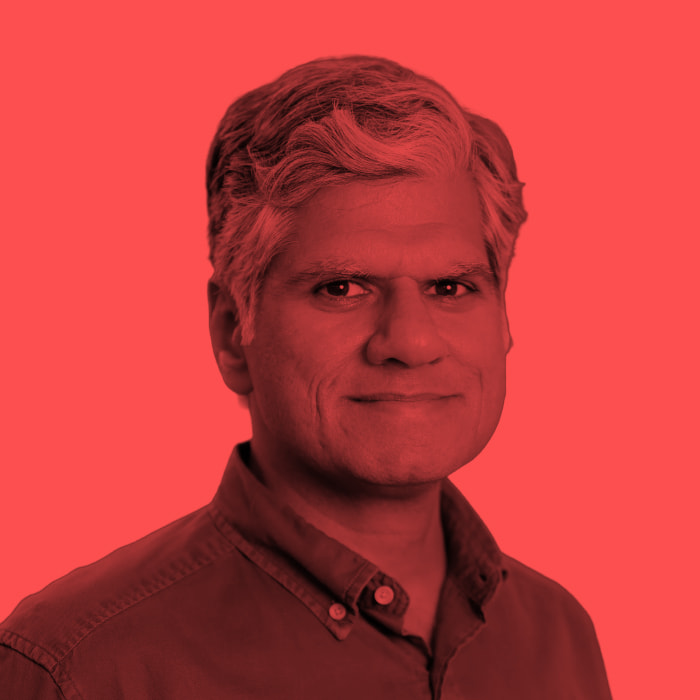
Luke has been vegetarian since 1993 and vegan since 2015. After twelve years at Citibank, he co-founded Pink Albatross, a vegan ice-cream brand that disrupted the Spanish market. A part-time fellow placed at Food Fermentation Europe, the industry group for proteins made through fermentation, he brings entrepreneurial and industry-building experience to the alternative-protein sector.
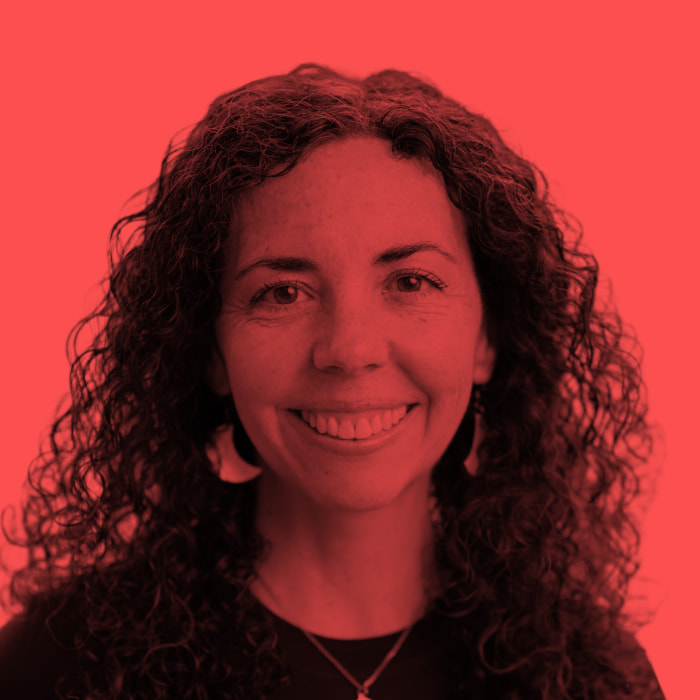
Marta is a Spanish campaigner with twenty-two years of experience, most recently at the animal-welfare foundation AAP. She spent eight years building the alliance that got circus animals banned across Spain and their public funding cut. A part-time fellow placed at Fern, an NGO working on forests and land use, she is setting up her own Spanish policy NGO and is using the fellowship to bring an EU-policy focus to that work.
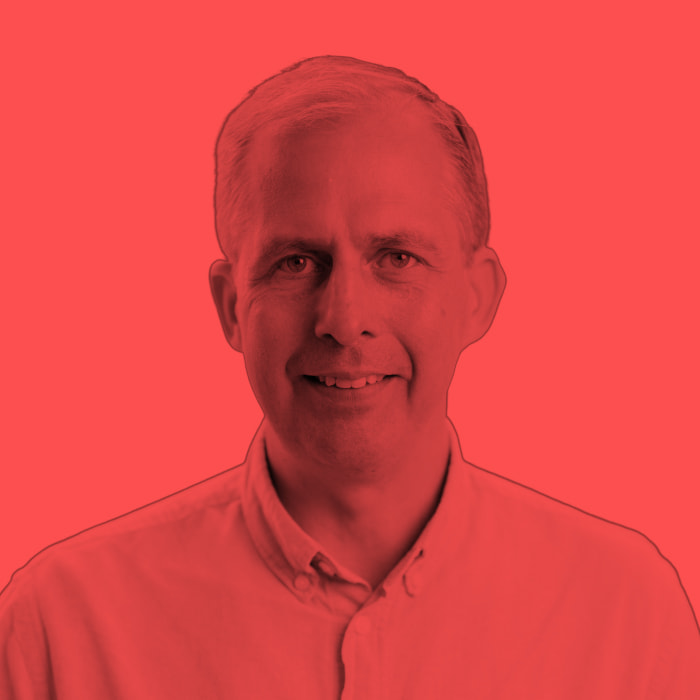
Florian Heidecke
Florian spent twenty years in senior finance roles at Unilever, FrieslandCampina, and Refresco, then turned around a struggling sustainability institute. A part-time fellow placed at the European Alliance for Plant-based Foods, an alliance of companies and NGOs, he brings financial and commercial experience to building the plant-based-food sector.
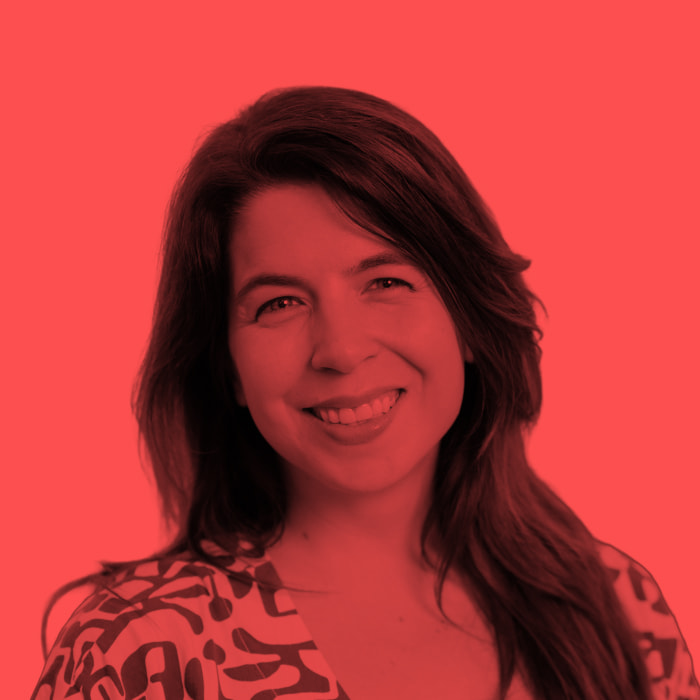
Elyse Franko-Filipasic
Elyse has spent thirteen years working in social-impact communications, with a particular focus on global health and antimicrobial resistance (AMR). A part-time fellow placed at the European Policy Centre, she will draft commentaries and policy papers on the connections between the protein transition, AMR, and European competitiveness, bringing her science communications skills to one of the most influential policy institutions in Brussels.
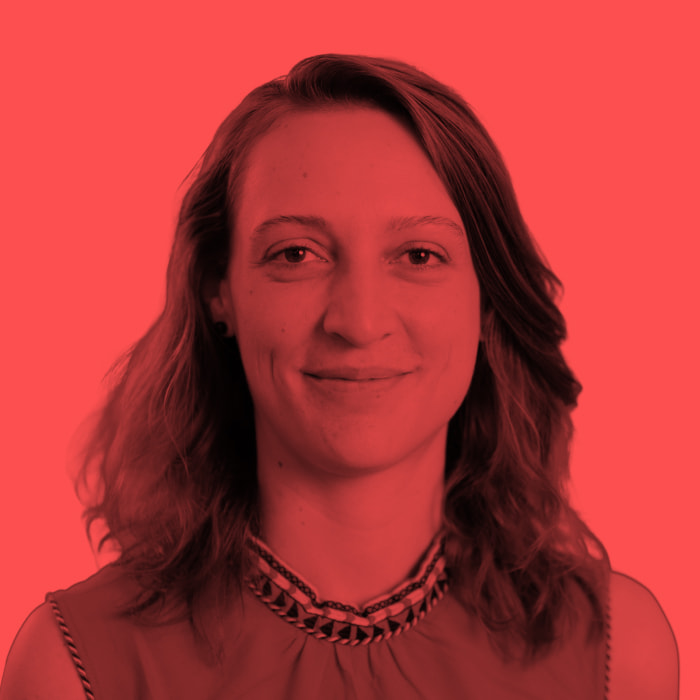
Elena is an agri-food economist and sustainable development expert, with over a decade of experience in bridging research, policy, and practice across disciplines. She has combined peer-reviewed publications with policy research and advising roles for NGOs, governments, the World Bank, and the UN's International Labour Organization. A part-time fellow placed at Seas At Risk, an ocean conservation group in Brussels, she brings deep food systems knowledge and economic expertise to the marine dimension of a just food transition.
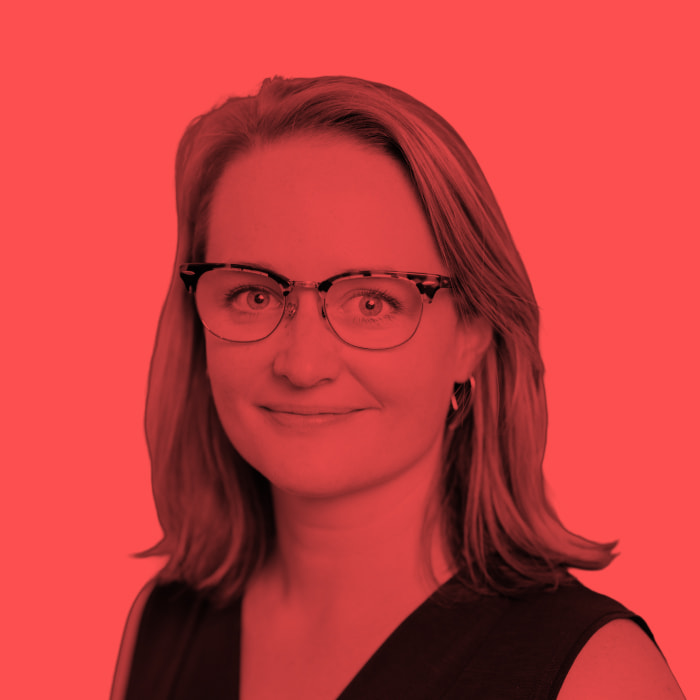
Following work as a chemical engineer and biotechnology researcher, Rebecca moved into sustainability consulting. Most recently at PwC, she spent a decade working with governments, companies and NGOs on sustainable transformations, rolling out a program to halve emissions across more than 150 countries. A part-time fellow placed at Re-Imagine Europa, a Brussels think tank working on biotech and innovation, she brings experience in strategy and bridge building between the private sector and UN climate negotiations to food-system innovation.
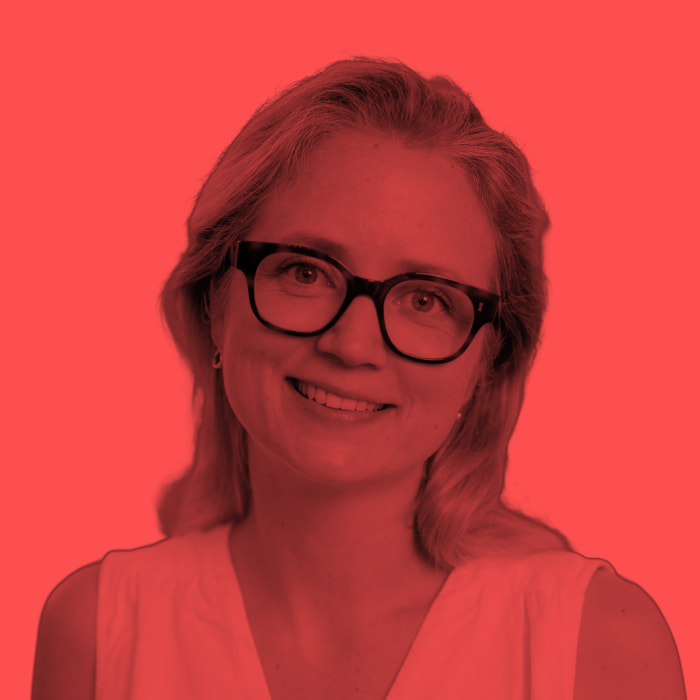
Philippa Griffin
Philippa is an economist with fifteen years advising governments, NGOs, and companies on sustainability, including a stretch at McKinsey. A part-time fellow placed at UpSide, the AI start-up founded by three of last year's fellows, she is part of an experiment to help this year's cohort and their host organizations make use of the software the UpSide team is building.
U.S. Food System Reform
The US Food System Reform Fellowship drops experienced professionals into the fight to fix America's broken food system. These fellows work inside trailblazing organizations, running live campaigns to change how the country eats.
.jpg)
Alexandra (Alex) Perry
Alex spent over a decade as a financial copywriter, climbing to a six-figure role writing for industries from oil to solar before the work began to feel empty. She joined the U.S. Food System Reform Fellowship to turn her skills in persuasion and campaign-building toward lasting change. Placed at People for Better Food, she is building campaigns that shift the cultural attitudes driving rising meat consumption among young men, meeting that audience where they are rather than lecturing, and building the digital systems to sustain the work for the long term.
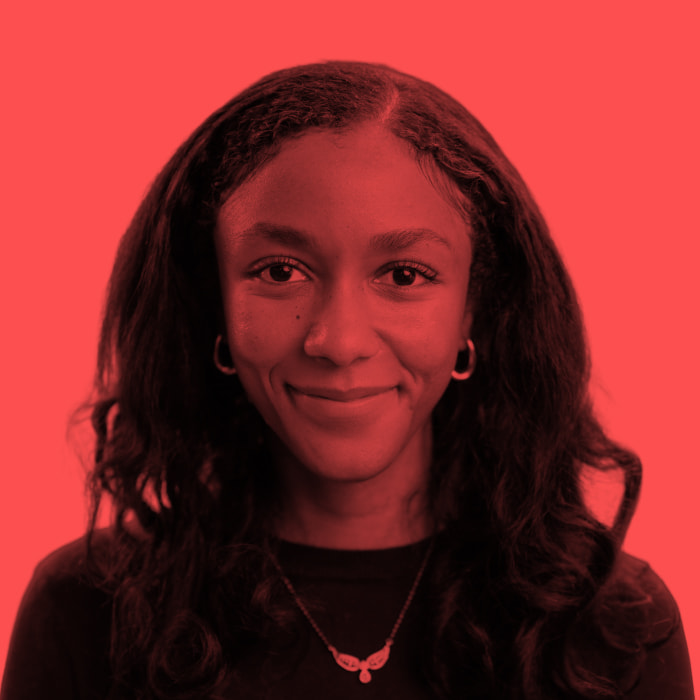
Bridgette Slater
Bridgette traces her moral ambition to a family farm legacy in Arkansas and years of stewardship, before a pull back toward food and agriculture led her to the U.S. Food System Reform Fellowship. Placed at BITE (Building Impact Through Eaters), she supports work helping foodservice operators increase the adoption of climate-friendly meals through change management, marketing, and culinary training. She is contributing to BITE's Empowering Cities initiative with C40, helping cities build the buy-in needed to make plant-rich, climate-smart eating the default rather than the exception.
.jpg)
Hannah Highfill
Hannah spent a decade as an ethnographer and then in AI research at Google, studying the gap between how systems are designed and how people actually use them. She brings that lens to the U.S. Food System Reform Fellowship. Placed at the State Innovation Exchange (SiX), she is building a national, real-time legislative tracking system to monitor food, agriculture, and rural policy across all fifty states. Her aim is a tool legislators will actually use, one that flags harmful bills early and helps SiX's network of state lawmakers coordinate responses before decisions are made.
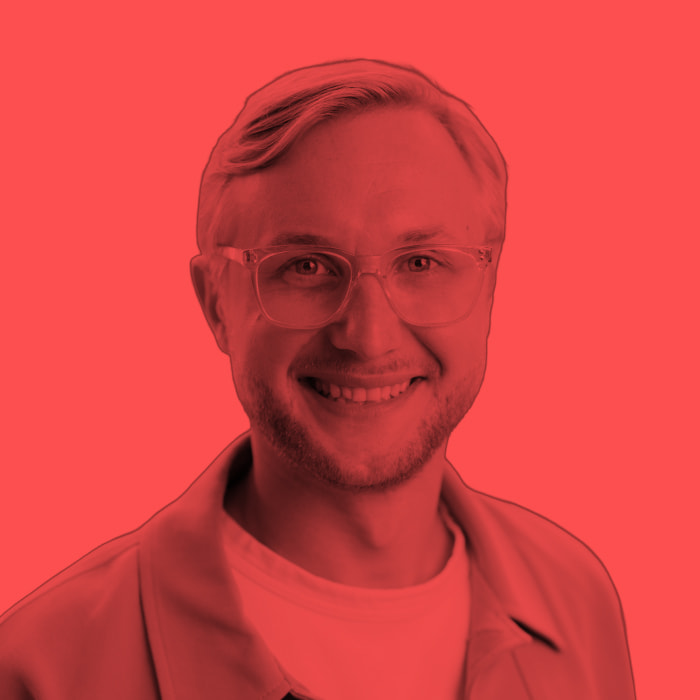
Lukas Paltanavicius
Lukas grew up among agribusiness professionals and once managed a $294 million fertilizer portfolio before the industry's flaws led him to look for another way, earning a master's at Wageningen and cycling 5,000 miles to document regenerative farming. Placed at the Plant Based Foods Institute for the U.S. Food System Reform Fellowship, he is building the financial case that de-risks growing crops for plant-based foods. Focusing on four Midwest states, he is developing crop-by-crop business cases to keep processing, jobs, and profits in the rural communities that grow the food.
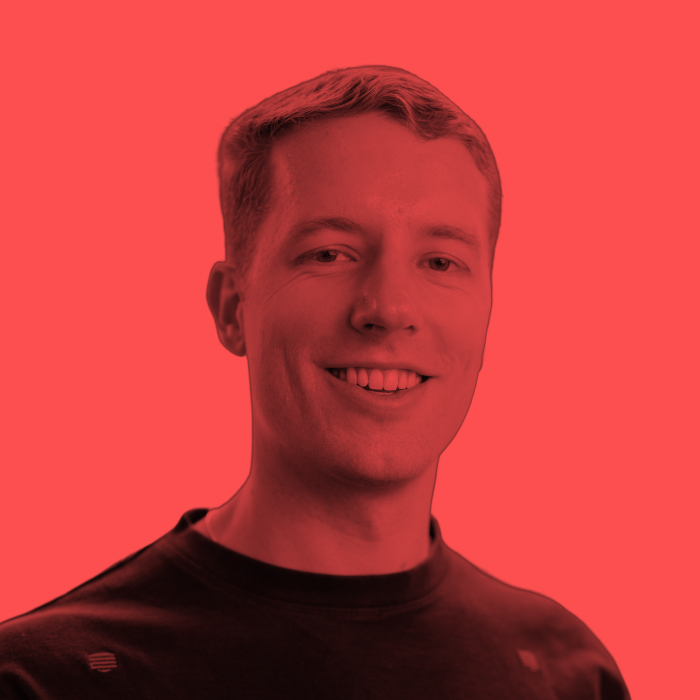
Ryan has spent his career at the intersection of public policy and climate action, serving in the White House, at leading nonprofits, and supporting New York City's Chief Climate Officer, before concluding the climate movement cannot succeed without confronting industrial animal agriculture. Placed at the Environmental Working Group for the U.S. Food System Reform Fellowship, he supports data and policy work that makes the hidden costs of factory farming visible, from toxic algae mapping to analysis of the subsidies that prop up industrial animal agriculture.
.jpg)
Sam is an educator and communications professional with deep experience in movement-building for social impact, specializing in community engagement and storytelling. The desire to scale his impact across all lifeforms led him to the U.S. Food System Reform Fellowship. Placed at From Fauna, an NGO spreading awareness of cultivated meat, he is developing an online community platform to turn the organization's large online following into concrete action, creating a space where experts and the public can sharpen and spread the case for cultivated meat as a path away from factory farming.
Alumni
Tobacco Free Future
The Tobacco Free Future Fellowship drops experienced professionals into the fight against one of the deadliest industries of our time. These fellows take on an industry most people think we already beat.
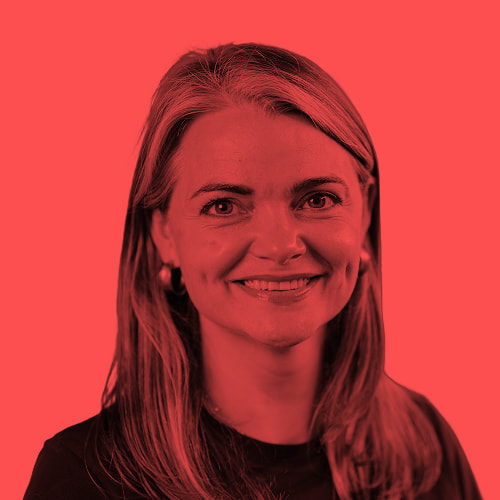
Elizabeth is based in Malawi, where she runs an environmental and social consulting firm. During the fellowship she researched the barriers and bottlenecks to funding in EU tobacco control — a cause with a strong evidence base and experienced advocates, yet one where funding has failed to keep pace. Her work examined why a problem responsible for 700,000 European deaths a year stays chronically under-resourced, and what it would take to close the gap. She completed the fellowship remotely from Lilongwe.
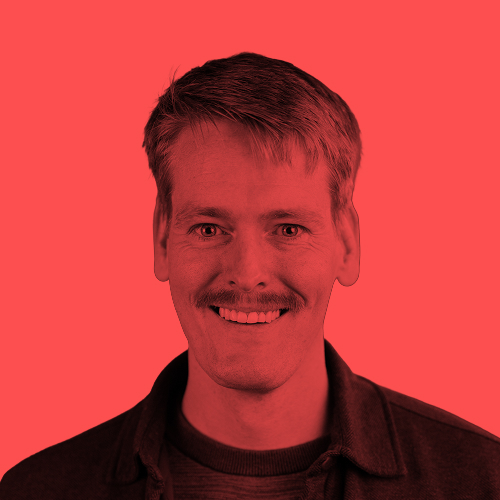


At Smokefree Partnership, a Brussels-based tobacco control NGO, Henry worked on translating research into policy impact at the European level, turning data into tools that help advocates and policymakers make the case for stronger tobacco laws across Europe. Earlier, as a D66 party member, he helped push ten tobacco control amendments through a party congress — one of which later landed in the Dutch coalition agreement.
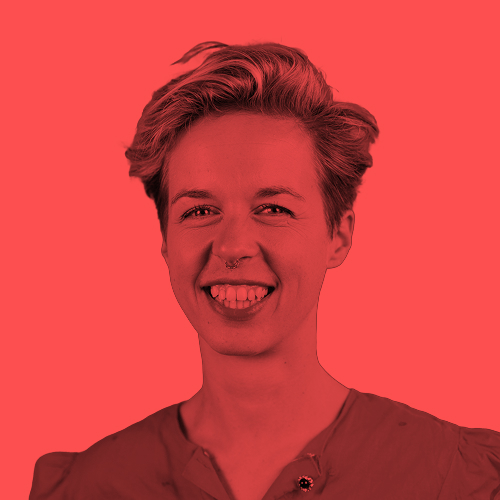

Jeltsje exposed tobacco industry manipulation in EU public consultations, generating press coverage that created new openings for dialogue with the European Commission. She coordinated cancer organisations across borders into a joint campaign tackling tobacco shopping, producing an opinion piece and co-signed policy brief. She mapped country positions in the EU tobacco taxation debate and charted the regulatory landscape for tobacco and nicotine within UN treaty frameworks.
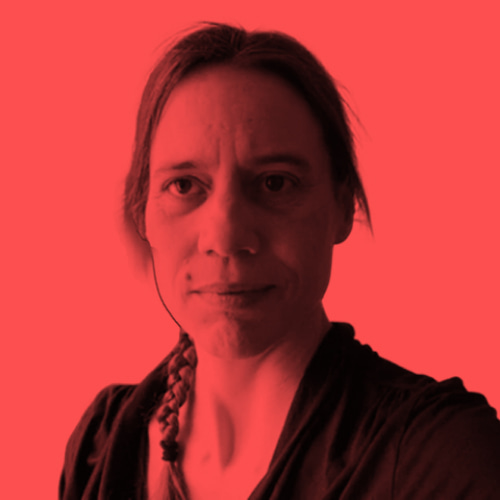
Laura Graen
Laura brings over two decades of experience in tobacco control. She co-founded Unfairtobacco in 2004, exposing child labour and human rights abuses in tobacco supply chains, and has since built coalitions at national and international levels. A leading German expert on the tobacco lobby, she has represented civil society at UN tobacco treaty negotiations and spent five years at the German Cancer Research Center. During her fellowship, Laura laid the groundwork for a dedicated tobacco industry watchdog in Germany.
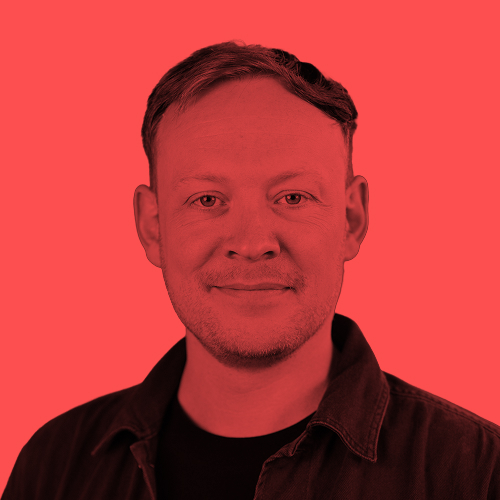

Peter came to the fellowship from strategic communications, start-ups and corporate strategy, and was placed at the European Respiratory Society in Brussels. His hypothesis: good evidence routinely fails to reach the people positioned to act on it. So he applied communications thinking and rapid prototyping to tobacco control — producing a myth-busting website used by advocates at COP11, an AI tool that speeds up policy-amendment analysis, and an index tracking nicotine policy across 37 European countries. He's now building that infrastructure for civil society at scale.
Hightlights
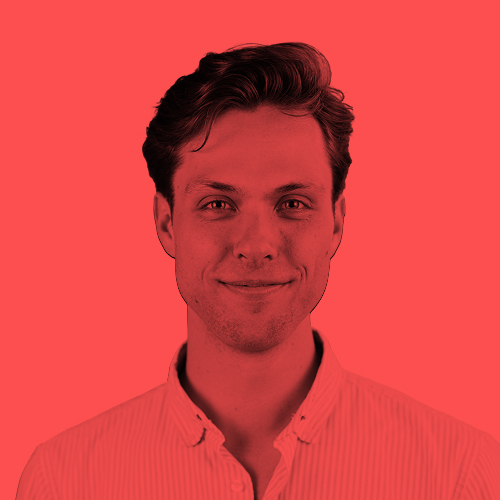
Wouter Nelen
During his fellowship, Wouter explored what role insurers can play in a tobacco-free future. Embedded inside Achmea, he spoke with colleagues across health insurance, asset management and sustainability to understand what drives engagement — or silence — on tobacco. As an outsider on the inside, he opened conversations that insiders rarely start. His results: a map of how a major Dutch insurer thinks about tobacco across business units, a high-level internal roundtable on insurers in a tobacco-free future, and board-level discussions on Achmea's future engagement.
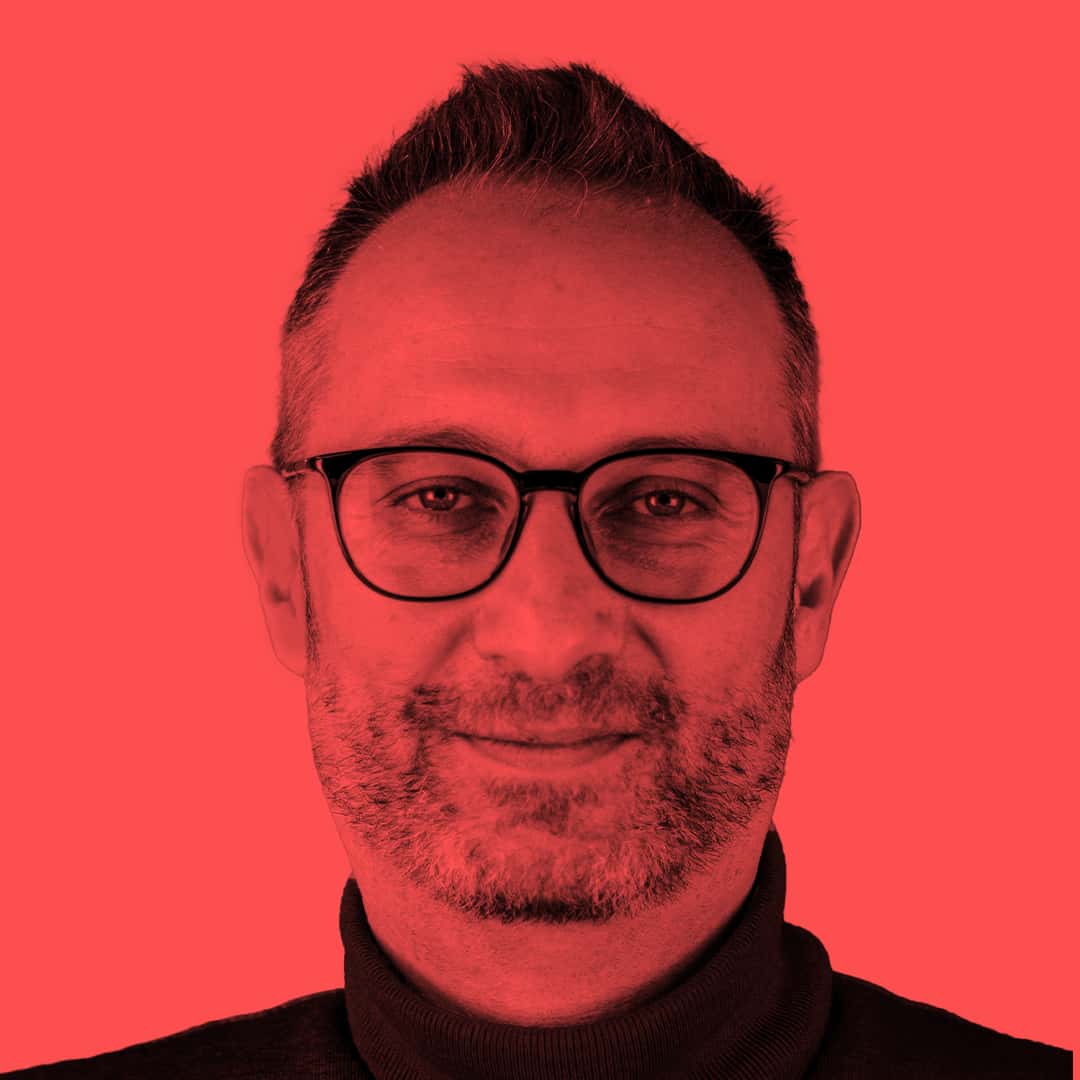
Alex Nedeltchev
Alex joined the Tobacco Free Future Fellowship and was placed at the European Network for Smoking and Tobacco Prevention (ENSP), a Brussels-based network coordinating tobacco-control advocacy across the continent. There he worked to strengthen tobacco-control policy in Europe, supporting the coalition of organizations pushing back against the influence of the tobacco industry.
Amina joined the Tobacco Free Future Fellowship and was placed at the Global Alliance for Tobacco Control, which coordinates advocacy around the global tobacco treaty. There she worked to advance international tobacco-control efforts, supporting the network of organizations holding the tobacco industry to account across borders and pressing for stronger public-health protections.
Featured story
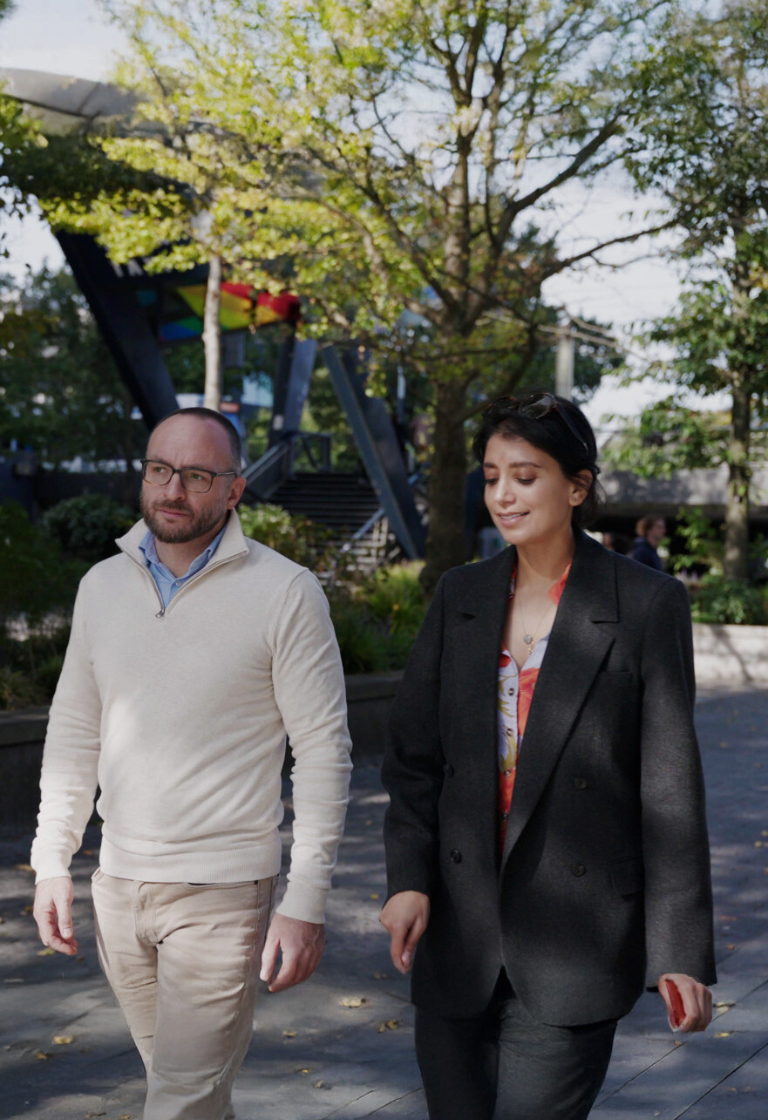
The Law Is Already on Our Side. It’s Time to Use It.
Annika joined the Tobacco Free Future Fellowship and was placed at the Global Alliance for Tobacco Control, which coordinates advocacy around the global tobacco treaty. There she contributed to international tobacco-control advocacy, supporting coordinated efforts to counter the tobacco industry's influence on public-health policy worldwide.
Carra joined the Tobacco Free Future Fellowship and was placed at the World Health Organization, the UN body leading global tobacco control. There she supported international efforts to reduce tobacco use, contributing to the public-health case against an industry responsible for millions of preventable deaths every year and the policies that can curb it.
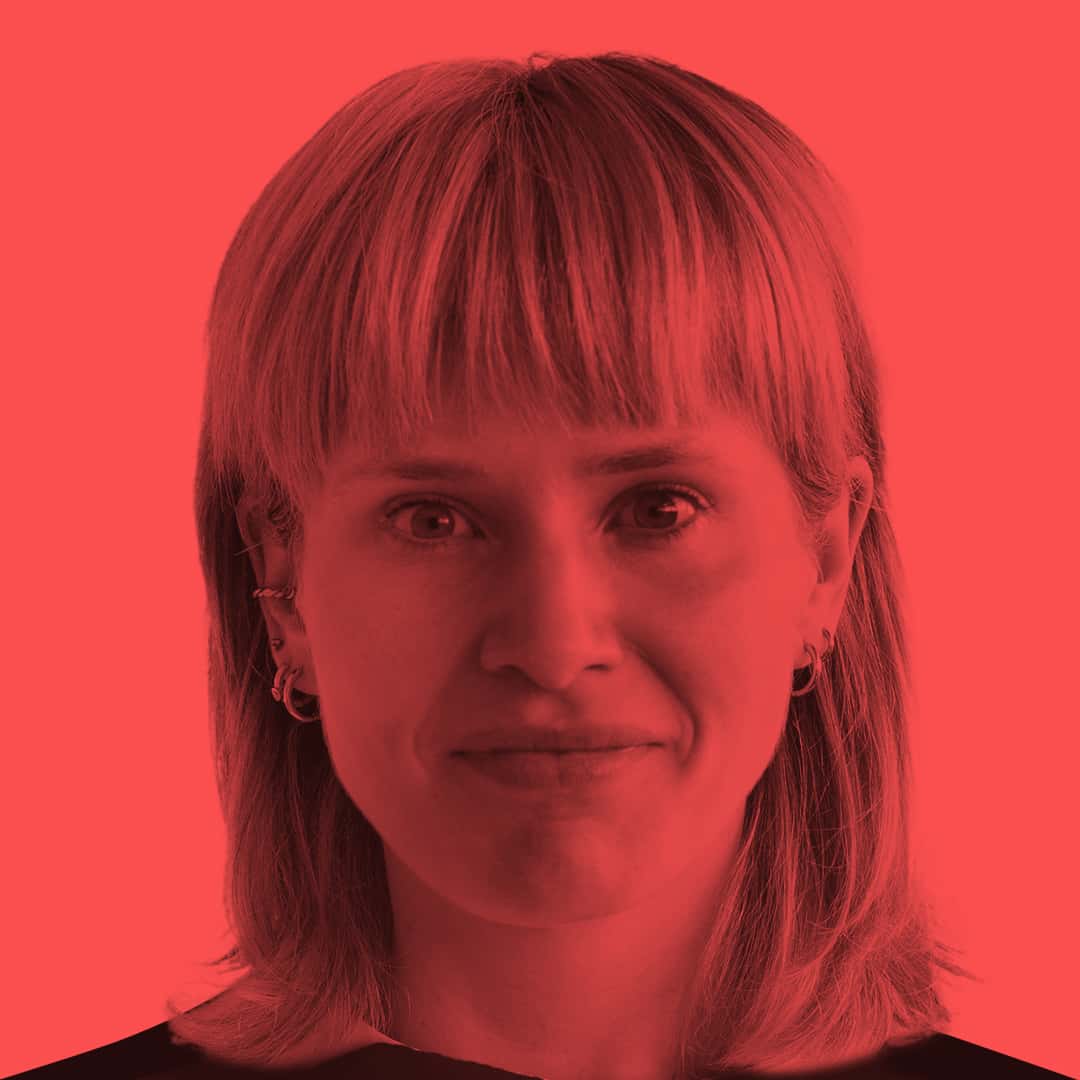
Eline left a career in advertising for the Tobacco Free Future Fellowship, driven by the question of who her work truly served. Placed at the Institute for Global Tobacco Control at Johns Hopkins, she brought her communications skills to the global fight against the tobacco industry, working to turn public-health evidence into pressure for stronger policy and reframing what one person's talents could achieve.

Featured story
Moral Ambition Films presents: Addiction
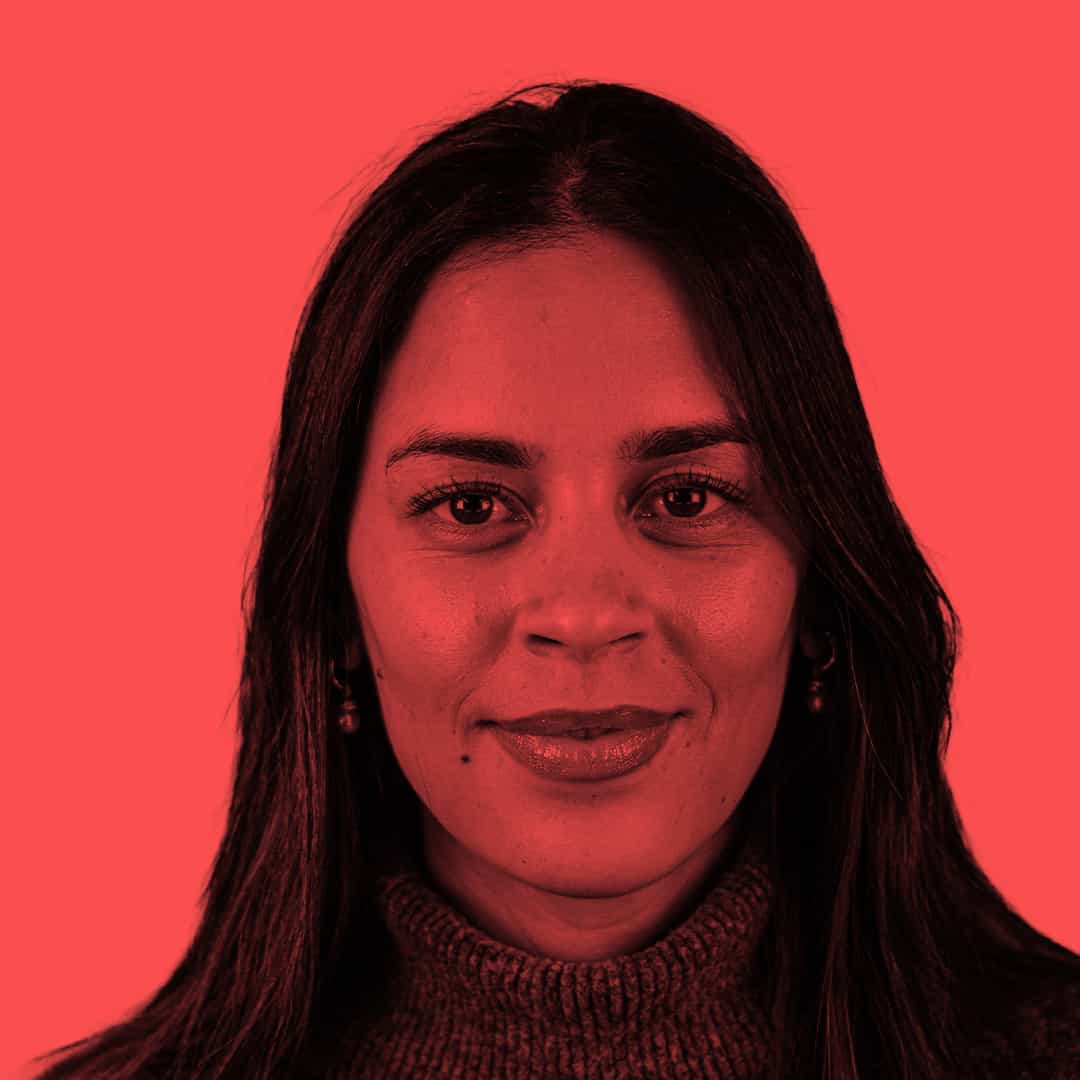
Erin joined the Tobacco Free Future Fellowship and was placed at the Smoke Free Partnership, a Brussels-based coalition advocating for stronger tobacco control across Europe. There she worked to advance tobacco-control policy at the EU level, supporting the network of advocates pushing back against the tobacco industry's influence on public-health decisions.

Featured story
Moral Ambition Films presents: Frustration
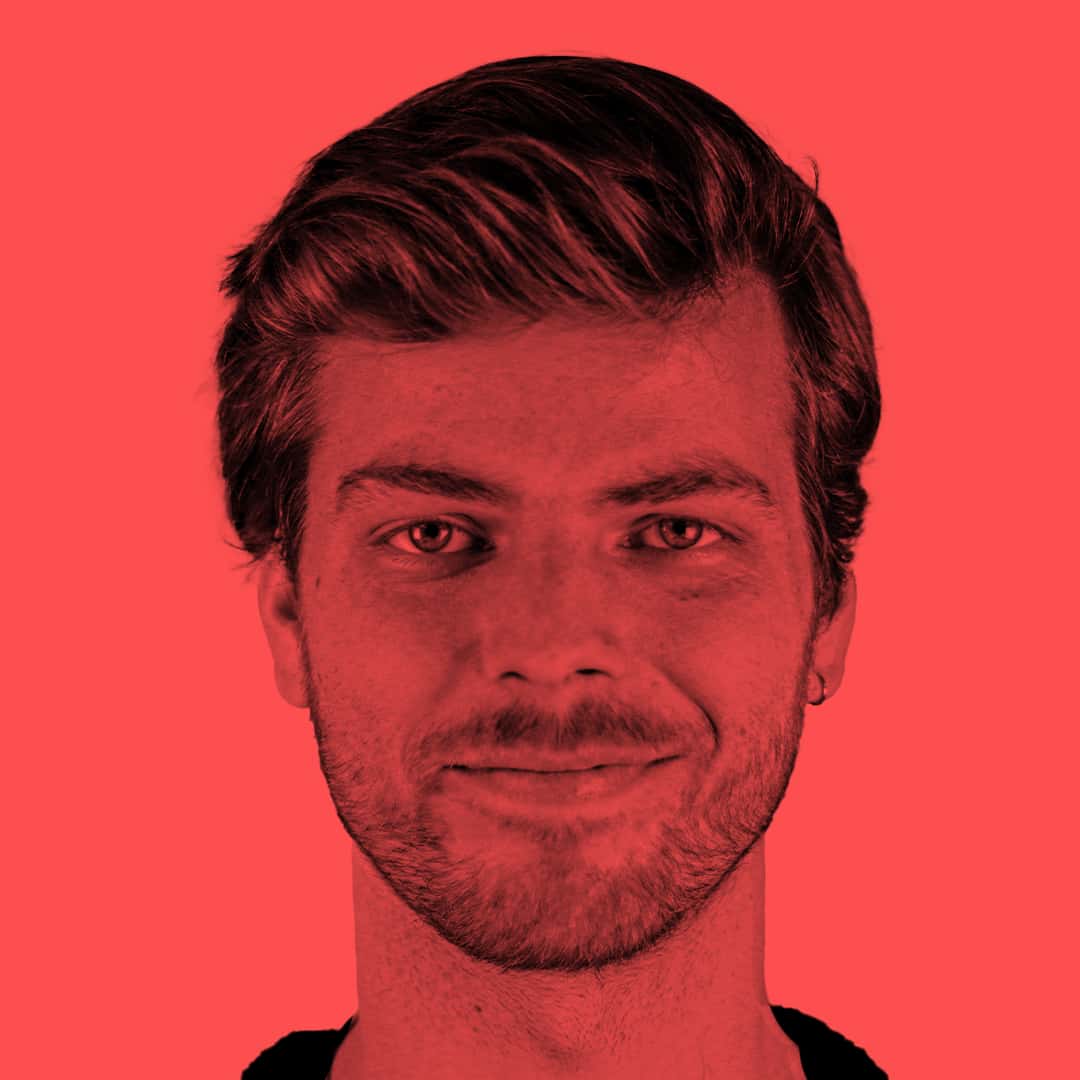
Gertjan joined the Tobacco Free Future Fellowship and was placed at The School for Moral Ambition, working on the movement's own tobacco-control efforts. There he supported the wider push to build talent and momentum behind the fight against the tobacco industry, one of the deadliest and most overlooked challenges of our time.
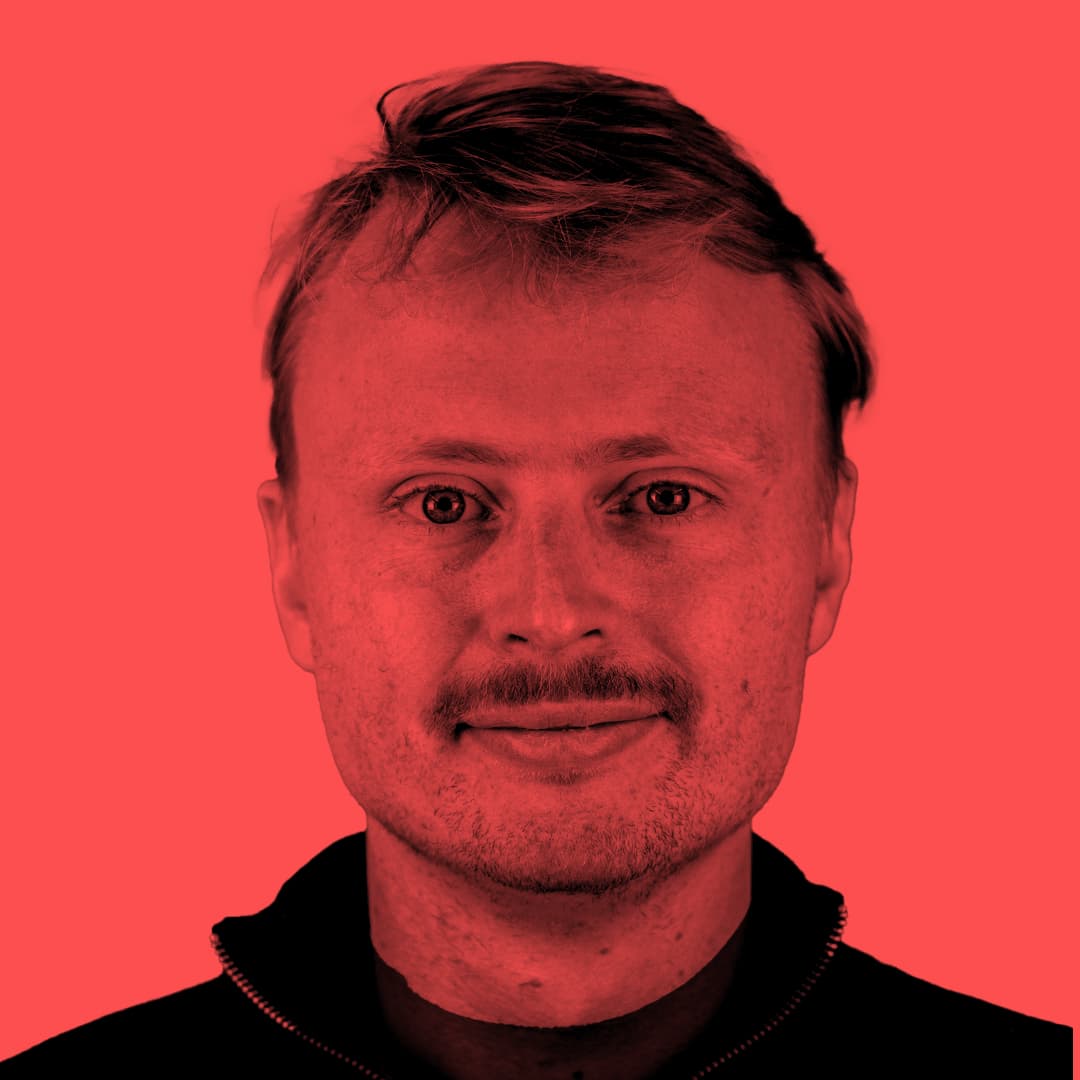
Joachim left a corporate job in Antwerp for the Tobacco Free Future Fellowship. Placed at Vital Strategies in Chisinau, he was confronting tobacco-industry lobbyists in the Moldovan parliament within weeks of starting, as the country debated stronger tobacco laws, bringing an outsider's energy to the fight against the industry's influence on European public health.

Featured story
Two Months After Quitting His Job, Joachim Verheyen Is Staring Down Big Tobacco in Moldova
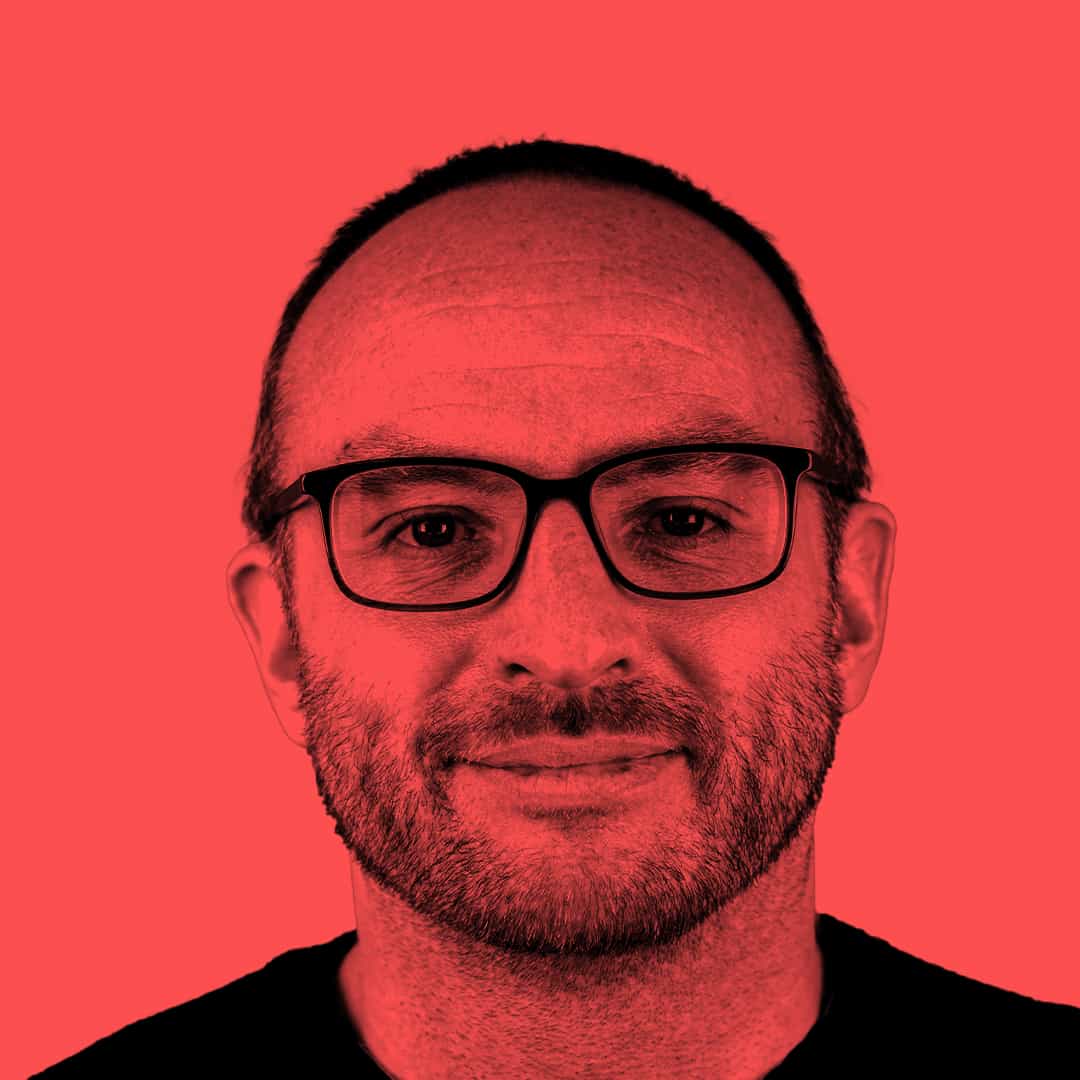
Steven is a public law and human rights lawyer who joined the Tobacco Free Future Fellowship and was placed at the European Respiratory Society. There he brought his legal expertise to the question of how the EU could end the tobacco epidemic, authoring an in-depth report on the feasibility of a tobacco endgame and the legal pathway to a generational sales ban across member states. He presented his findings to medical and policy audiences and co-authored an ERS statement making the case for stronger endgame measures.
Featured story
The Law Is Already on Our Side. It’s Time to Use It.
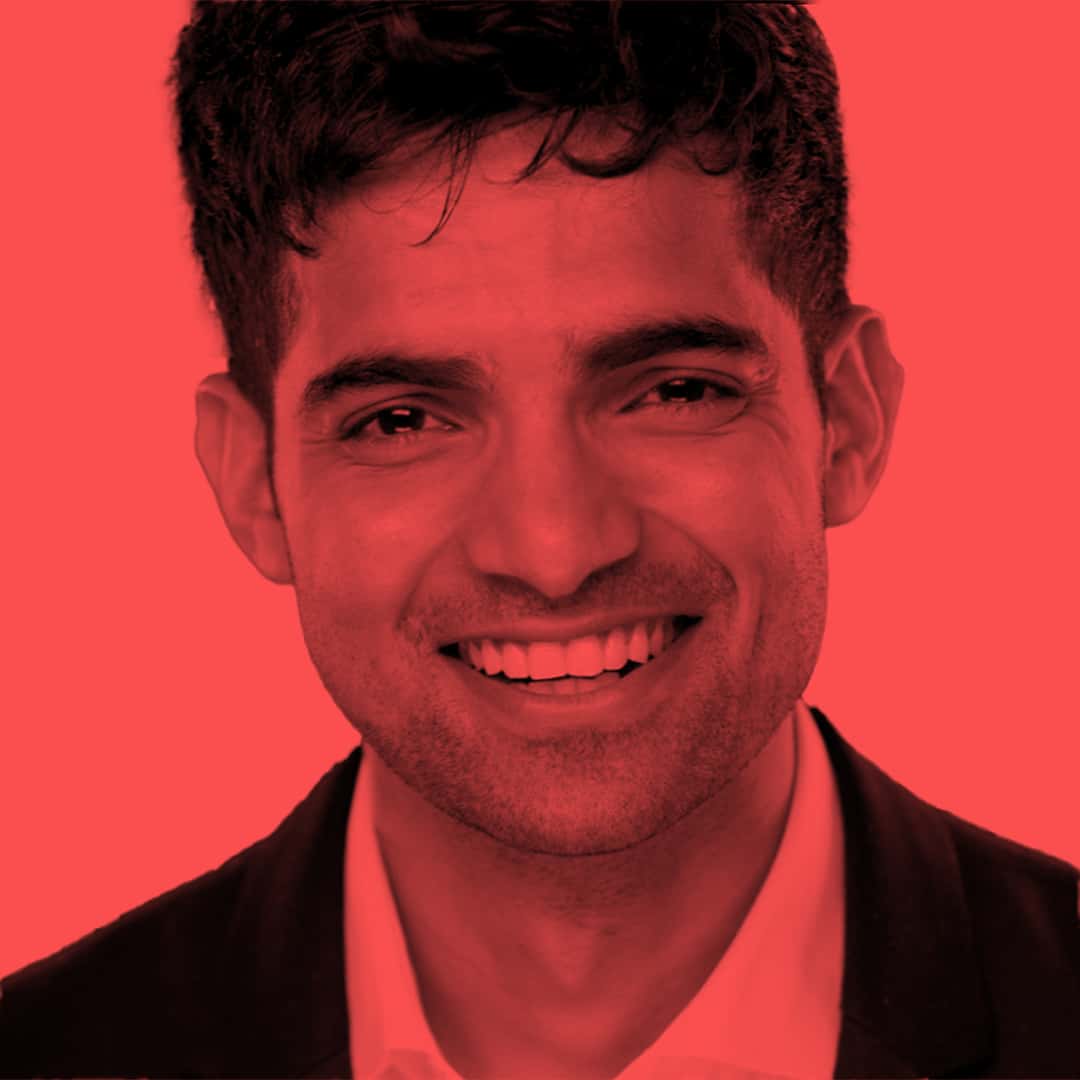
Vaibhav joined the Tobacco Free Future Fellowship and was placed at Tobacconomics, a research initiative building the economic case for tobacco control. There he worked on the economics of tobacco taxation and policy, strengthening the evidence that fiscal measures are among the most effective tools available for reducing tobacco use.
Featured story
Moral Ambition Films presents: Addiction
EU Food Transition
The EU Food Transition Fellowship drops experienced professionals into the movement reshaping how Europe produces food. These fellows sit at the tables where the protein transition is being negotiated.
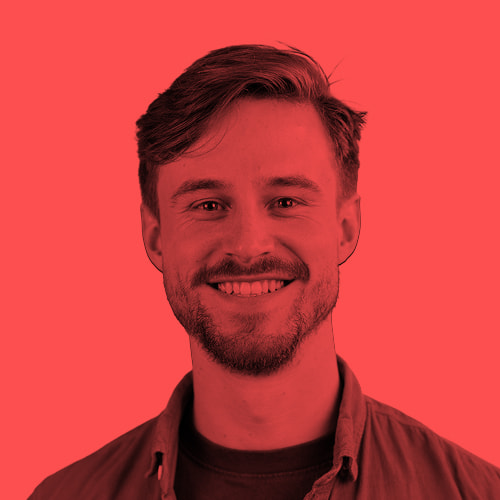
Jasper Zwinkels
During his fellowship, Jasper examined how the EU can reduce its heavy reliance on imported soy and build a more resilient food system. Using a quantitative model, he assessed multiple protein diversification strategies across four policy scenarios, weighing their economic, social and environmental impacts. The results showed that spreading effort across strategies, rather than betting on a single solution, consistently produced the best outcomes — informing recommendations to the European Commission on strengthening EU food security.
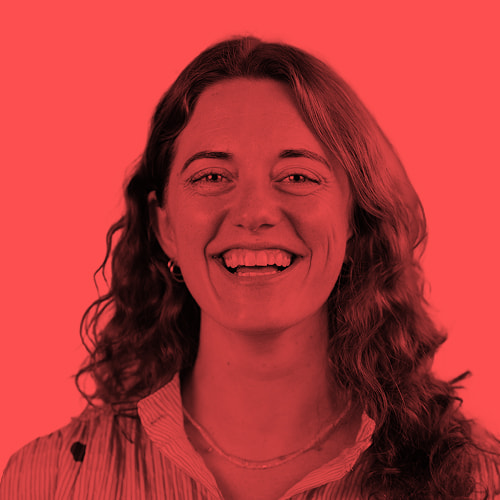
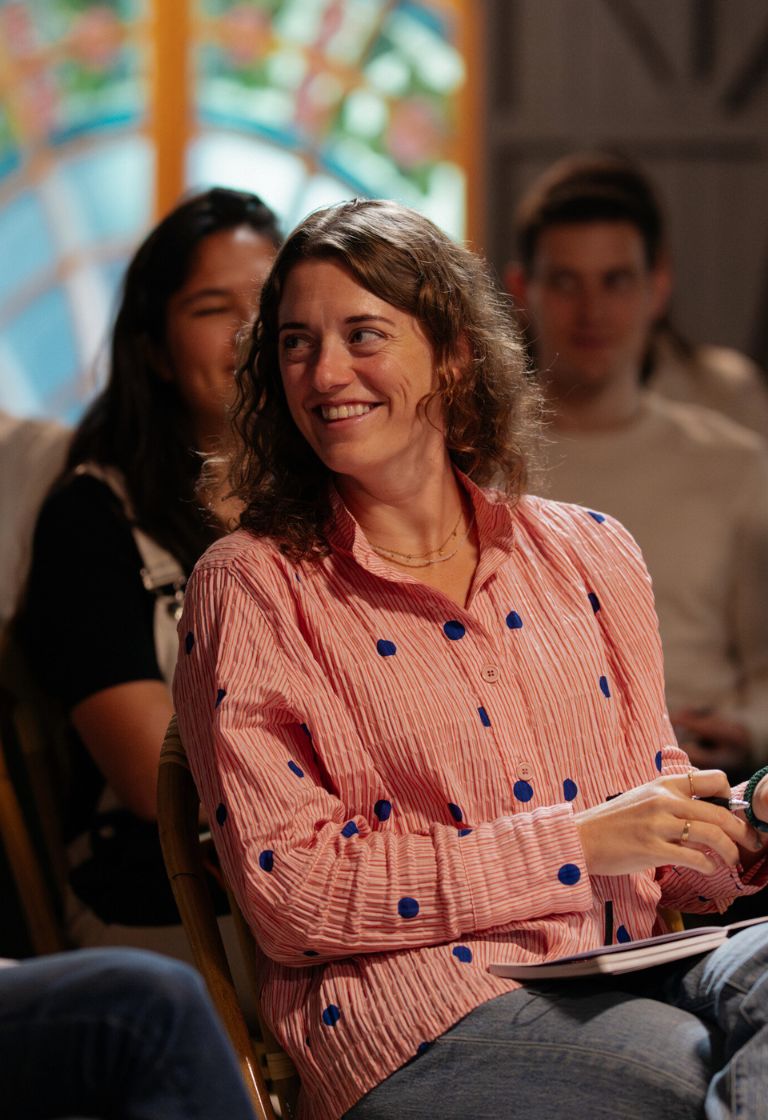
Kiri joined the European Environmental Bureau with a background in economics and sustainability consulting. During the fellowship, her work quantified the links between the environmental damage of the EU's current protein system and the EU's ability to stay strategically autonomous. Alongside her main policy position on this, she:
- Networked and advocated at the EU Parliament, EU Commission, think tanks and NGOs
- Wrote and presented an internal brief on novel protein sources
- Supported EEB's engagement with the Food Policy Coalition on public procurement
Featured story
What Denmark Taught Kiri Campbell About the Future of Food
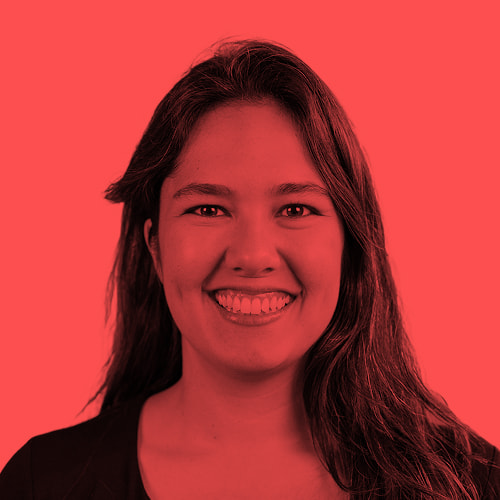
Placed at the European Policy Centre (EPC) in Brussels, Laura worked on financial incentives for farmers to produce a wider variety of European protein sources.
During her fellowship, Laura:
- Hosted a roundtable with policymakers and key stakeholders on empowering EU farmers
- Developed a set of key EU-level financial policy recommendations
- Supported EPC’s sustainable agrifood engagement in the EU policymaking network
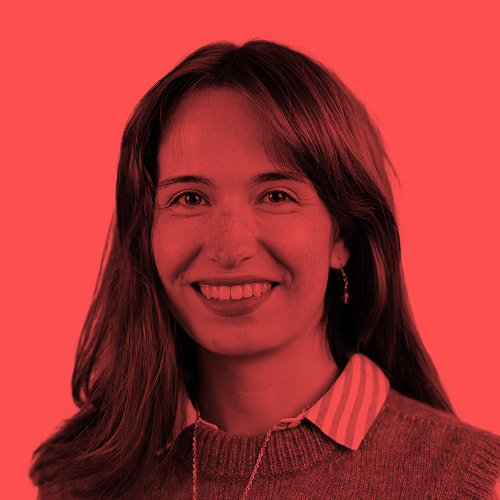
Mirnesa joined the Food Transition Fellowship with a background in strategy consulting. Her work focuses on building healthier food environments - because making better options more accessible to consumers is key to enabling lasting dietary change.
During her fellowship, she:
- Worked to build consensus among NGOs on ultra-processed foods, helping to depolarize the debate and develop shared policy recommendations
- Created a framework enabling NGOs to collectively prioritize policy efforts and speak with a stronger voice
- Advocated for food policies that benefit both people and the planet
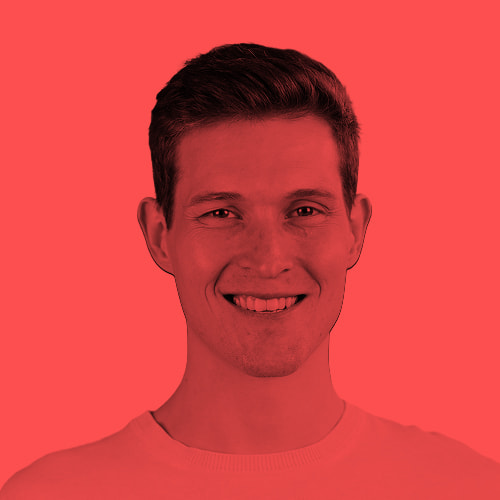
Niklas worked with EuroCommerce — the main European body for retail and wholesale — in Brussels, analysing the sector's role in protein diversification. During his fellowship, he:
- Worked with retailers across Europe to map their engagement and share what works
- Organised a European Parliament event for value-chain players to discuss cooperation
- Built a knowledge base on why diversification matters for grocery retail and how the sector can drive demand for alternative proteins
He is now finalising a report on the opportunities and challenges for the retail sector.
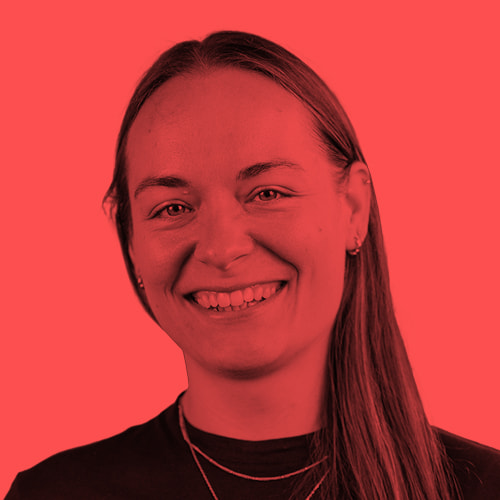
Olga joined the fellowship after a decade of working across FMCG, tech and consulting. During her time at IEEP, she was researching the issues with the way the supply chain is currently set up, and how those barriers limit the legume production. Her work focuses on how different forms of collaboration and cooperative building are necessary - putting in place policies and systems encouraging farmers to venture into legume cultivation.
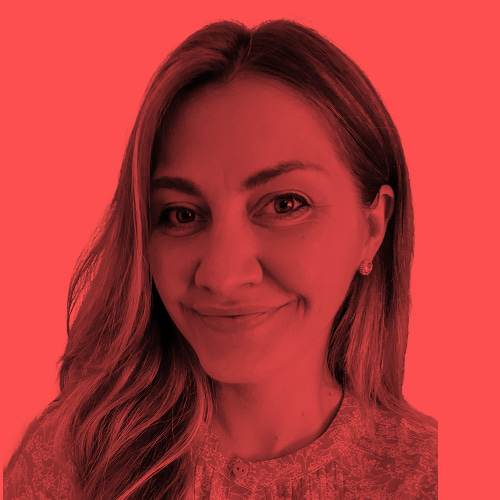
During her fellowship, Rachel focused on the opportunities and gaps in supporting protein-crop cultivation at farm level. She mapped EU Member State policies and synthesised insights from CAP Strategic Plans and National Protein Strategies to examine how existing approaches help or hinder diversification — work intended to inform an EU Protein Strategy and Action Plan. Her report also offers a practical "how to build a good protein strategy" checklist. With fellow Peter Halliwell, she launched From the Field, a platform sharing fellows' stories and work.
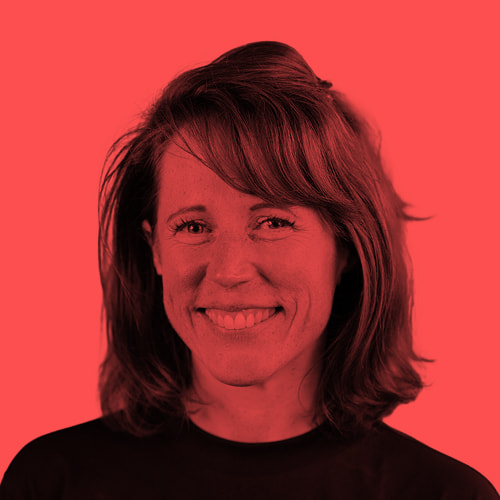
At GFI Europe, Steph set out to map why the EU food system is so resistant to change — not just slow to adapt, but structurally organised to reproduce itself. Using causal-loop mapping (built in Kumu), she traced feedback dynamics across six interconnected subsystems, from farm-level infrastructure costs to corporate capture of EU policy, identifying the loops that keep the system stable and the points where targeted intervention could have outsized effect. Her report, Why Is This So Hard? Mapping the Architecture of Food System Persistence, is not publicly available.
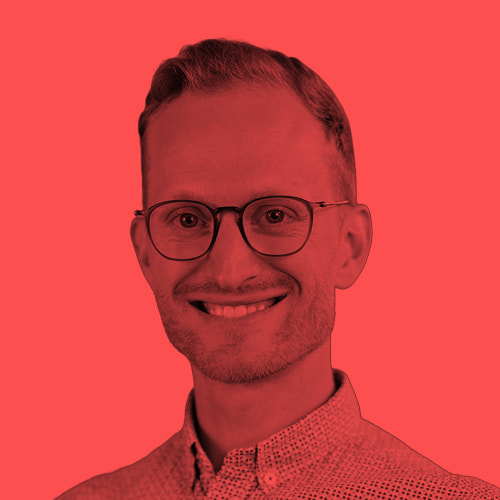
Thomas Schobesberger
Thomas joined the fellowship from the Austrian government, where he worked on animal welfare, food labelling and dietary change. Placed at the European Alliance for Plant-based Foods and the Vegetarian Society of Denmark, he:
- Pushed for EU plant-based action plans by managing the "Partners for Plant-Based" industry call and engaging policymakers in the Commission and Parliament
- Promoted the Danish plant-based action plan and helped advance it in other member states
- Coordinated the coalition opposing unfair restrictions on plant-based product names
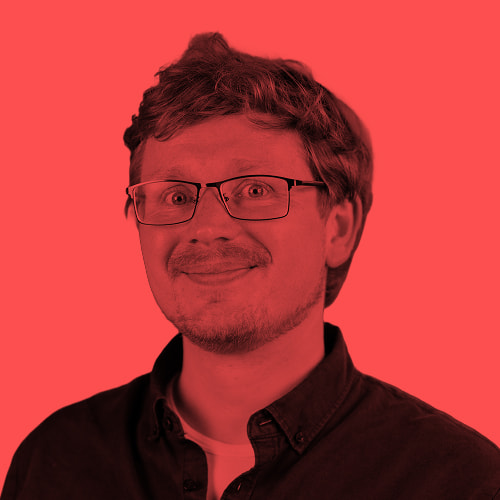
Tim joined the fellowship from a background in neurotech entrepreneurship and research. Placed at the Centre for European Policy Studies (CEPS) in Brussels, he worked on how EU regulation can accelerate the shift to sustainable protein. During and after his fellowship, he:
- Strengthened the economic case for protein diversification at EU level
- Made the case at CEPS IdeasLab, Brussels' invite-only policy conference
- Began co-organising a workshop on the EU protein strategy with senior policymakers
His work targets the rules that decide what gets grown, subsidised and eaten across Europe.
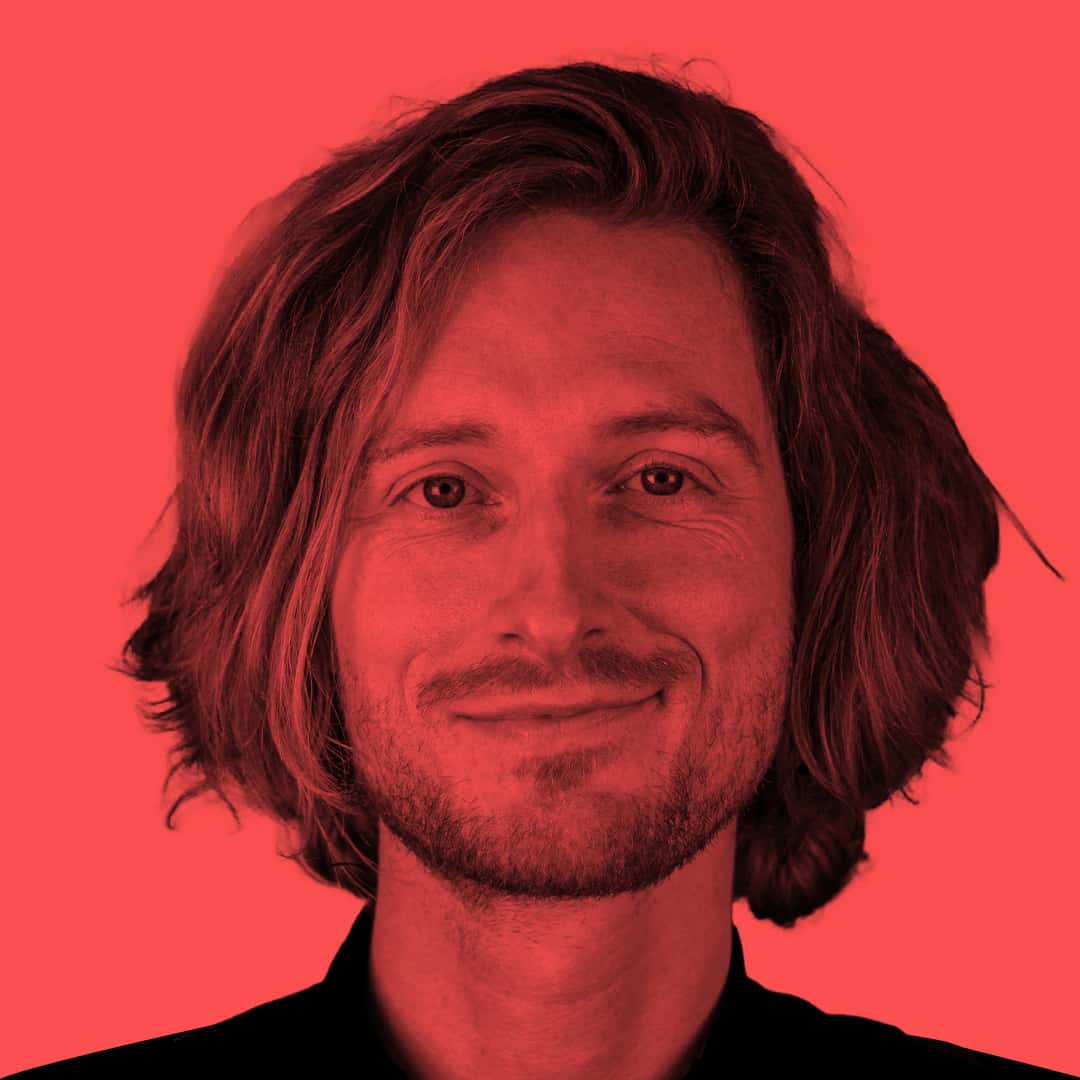
Alexander joined the inaugural cohort from a career in the tech sector, drawn by the idea that a bold career move could multiply his impact. Placed at Euroconsumers, he worked to bring consumer-organization weight behind Europe's food and agriculture reform, helping give consumers a stronger voice in the debates shaping the continent's food system.
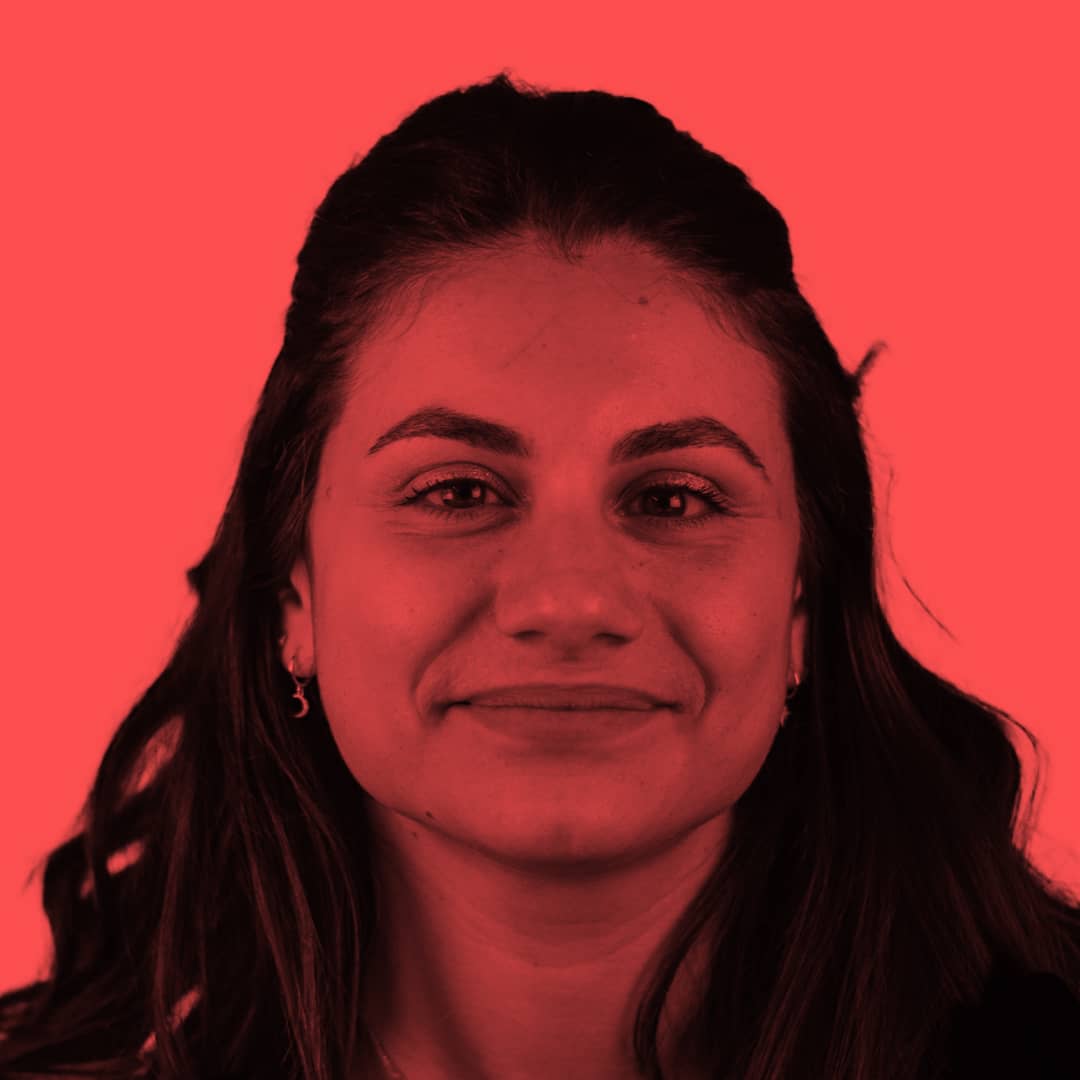
Camille left a career spanning research and business to join the Food Transition Fellowship. Placed at Cellular Agriculture Europe, the industry body for cultivated meat and cellular agriculture, she worked to strengthen Europe's alternative-protein ecosystem, building partnerships across the EU and Baltic regions to advance novel-food innovation. Her path to the fellowship featured in the Moral Ambition film Privilege.

Featured story
Moral Ambition Films presents: Privilege
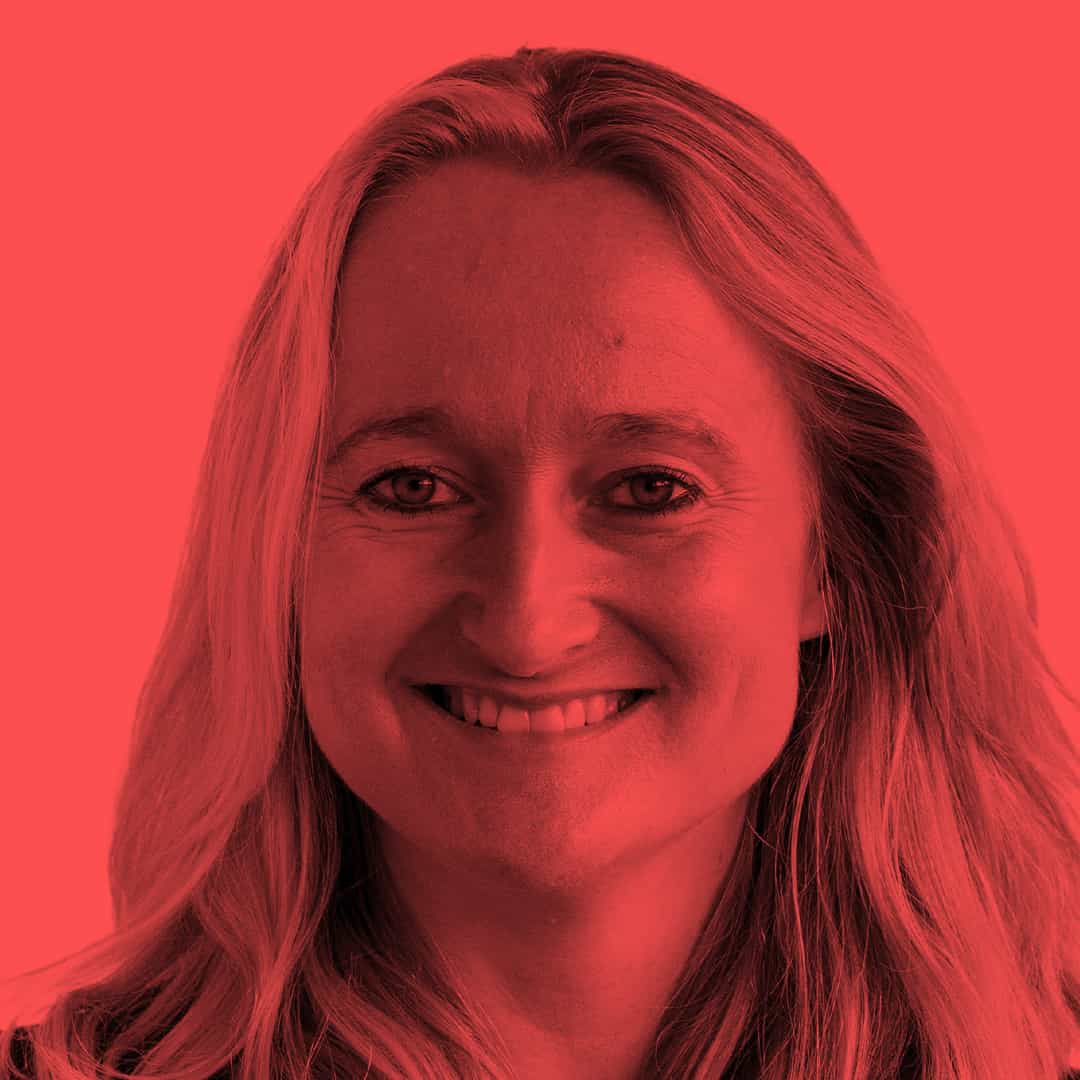
Gauri brought over two decades in human rights to the fellowship, having served as Europe Director of Amnesty International and built the European work of the Luminate foundation. Placed at Seas At Risk, she explored how funding and ecosystem-building can move the food transition forward, connecting her long-held conviction that how we treat people, animals, and the planet is deeply linked.
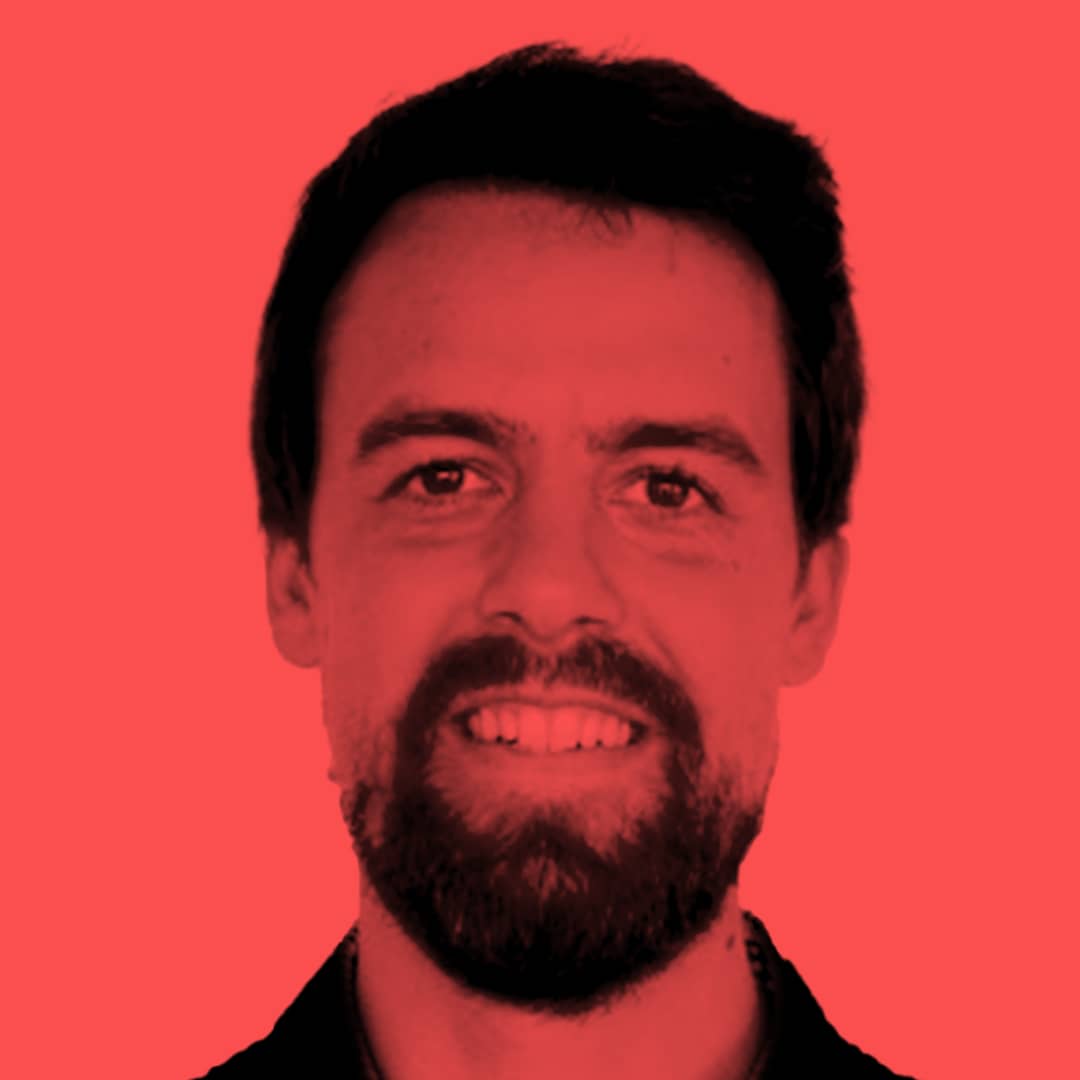
Hannes joined the Food Transition Fellowship and was placed at the Good Food Institute Europe, the think tank working to make plant-based and cultivated meat affordable and accessible. There he contributed to analysis of Europe's alternative-protein research and innovation ecosystem, work aimed at helping current and future innovators understand where their efforts can make the biggest difference to the future of food.
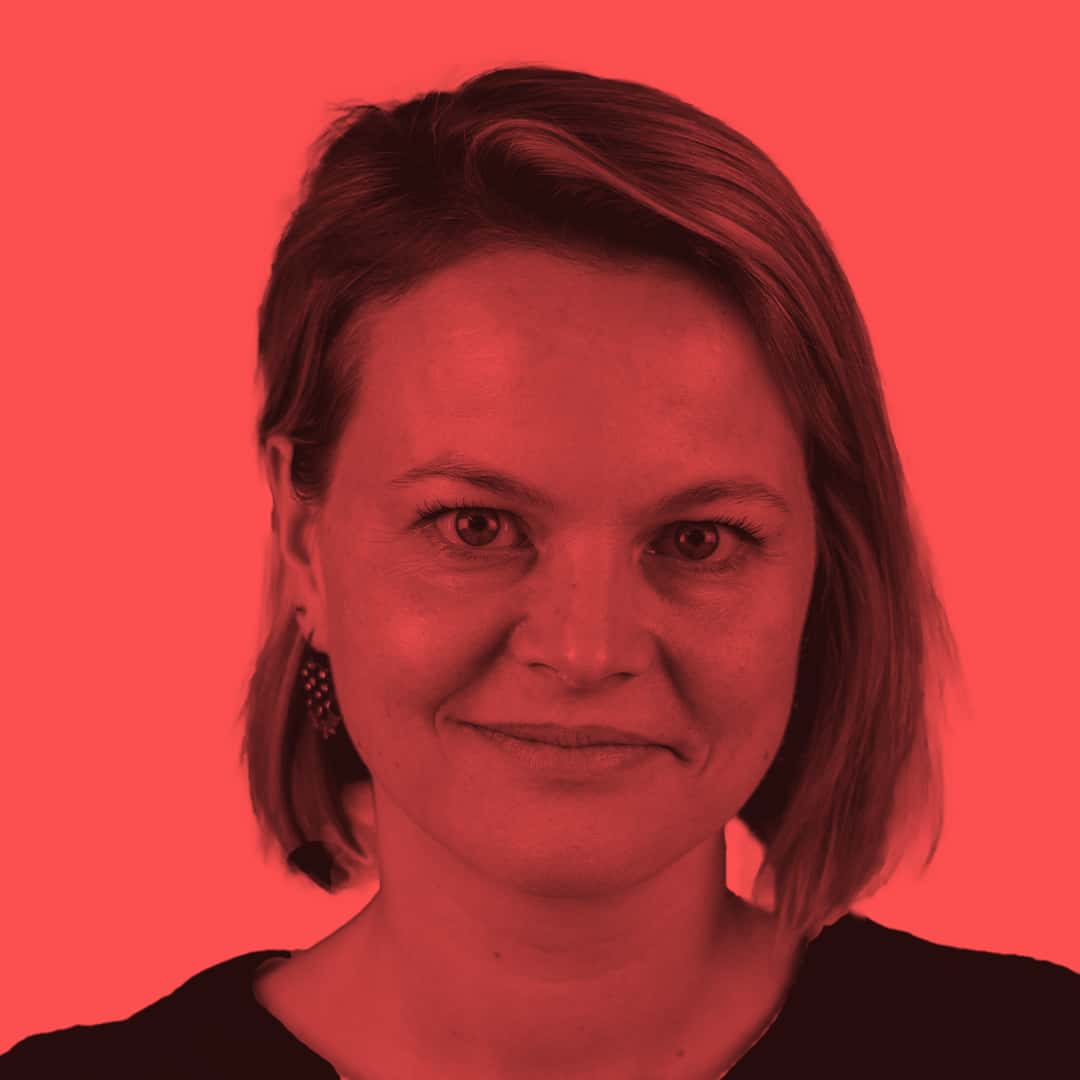
Johanneke joined the Food Transition Fellowship and was placed at the Physicians Association for Nutrition, which brings a medical perspective to food policy. Working alongside fellows Katrien Martens and Matthijs Germs, she helped rally an unprecedented coalition of European health and nutrition organizations to advocate for more sustainable, plant-rich diets, bringing public-health expertise into EU food-policy debates where it is too often absent.
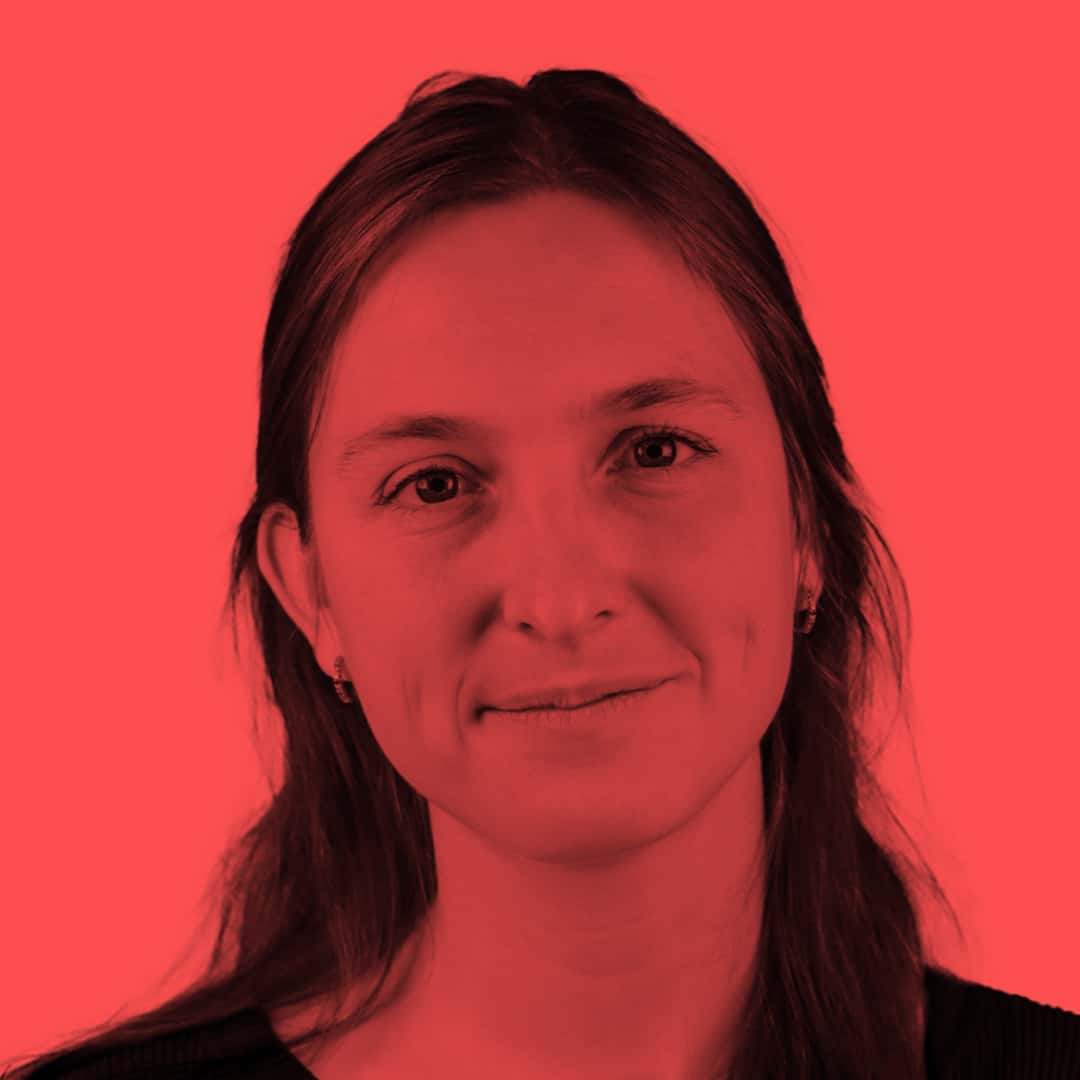
Katrien joined the fellowship from a decade in strategy consulting at Accenture, where she led sustainable value-chain work. Placed at Madre Brava, she used her stakeholder-coordination background to build coalitions for EU food-system change, rallying an unprecedented group of European health and nutrition organizations to sign a joint plea for sustainable, plant-rich diets.

Featured story
Europe Is Deciding on the Future of Its Food System Right Now — And Katrien Martens Is Getting Essential Voices to the Table
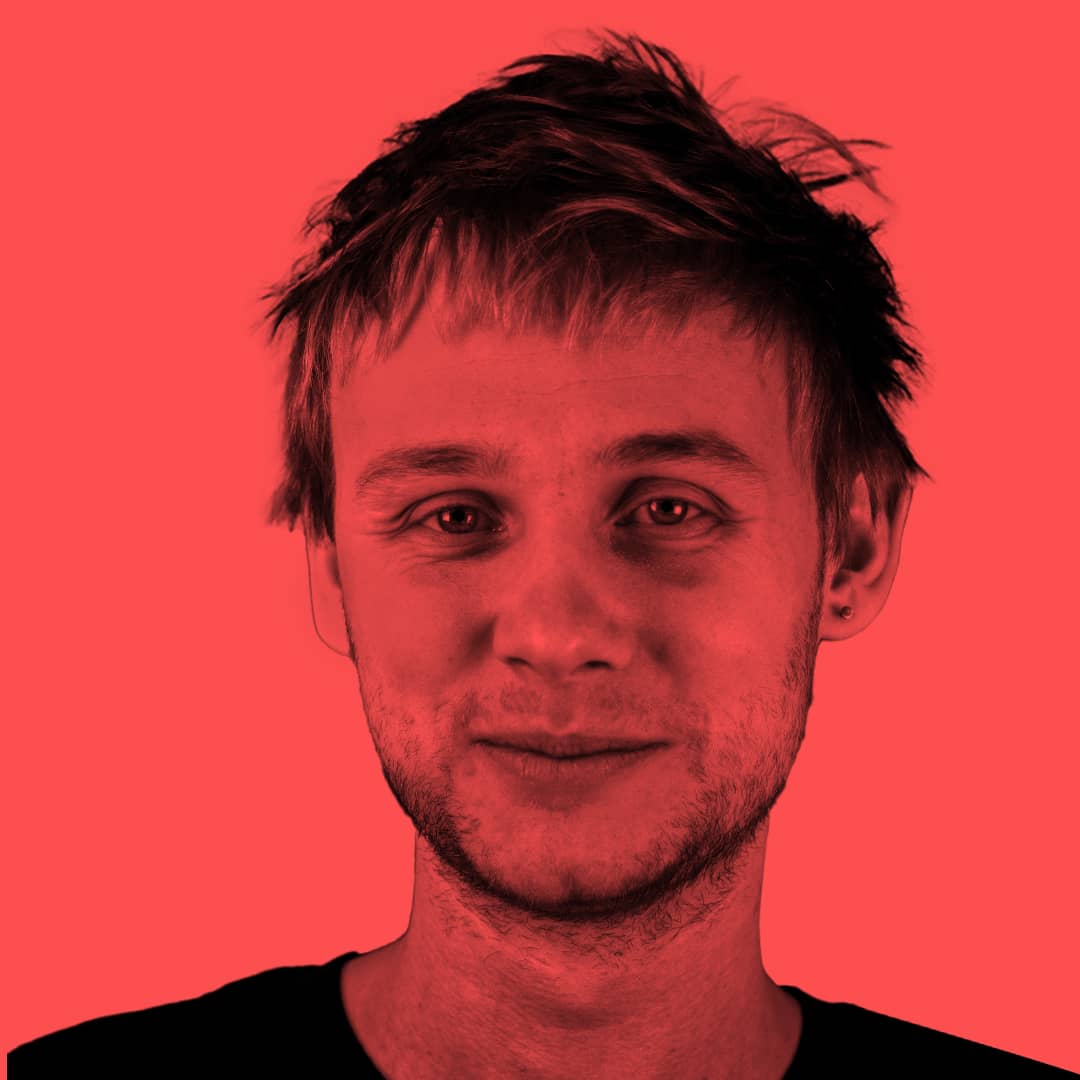
Marin joined the Food Transition Fellowship and was placed at Sustainable Foundations, where he worked to advance Europe's protein transition. He brought his professional background to the coalition of organizations pushing for a food system that works better for people, animals, and the planet, contributing to the shared advocacy effort of the fellowship cohort in Brussels.
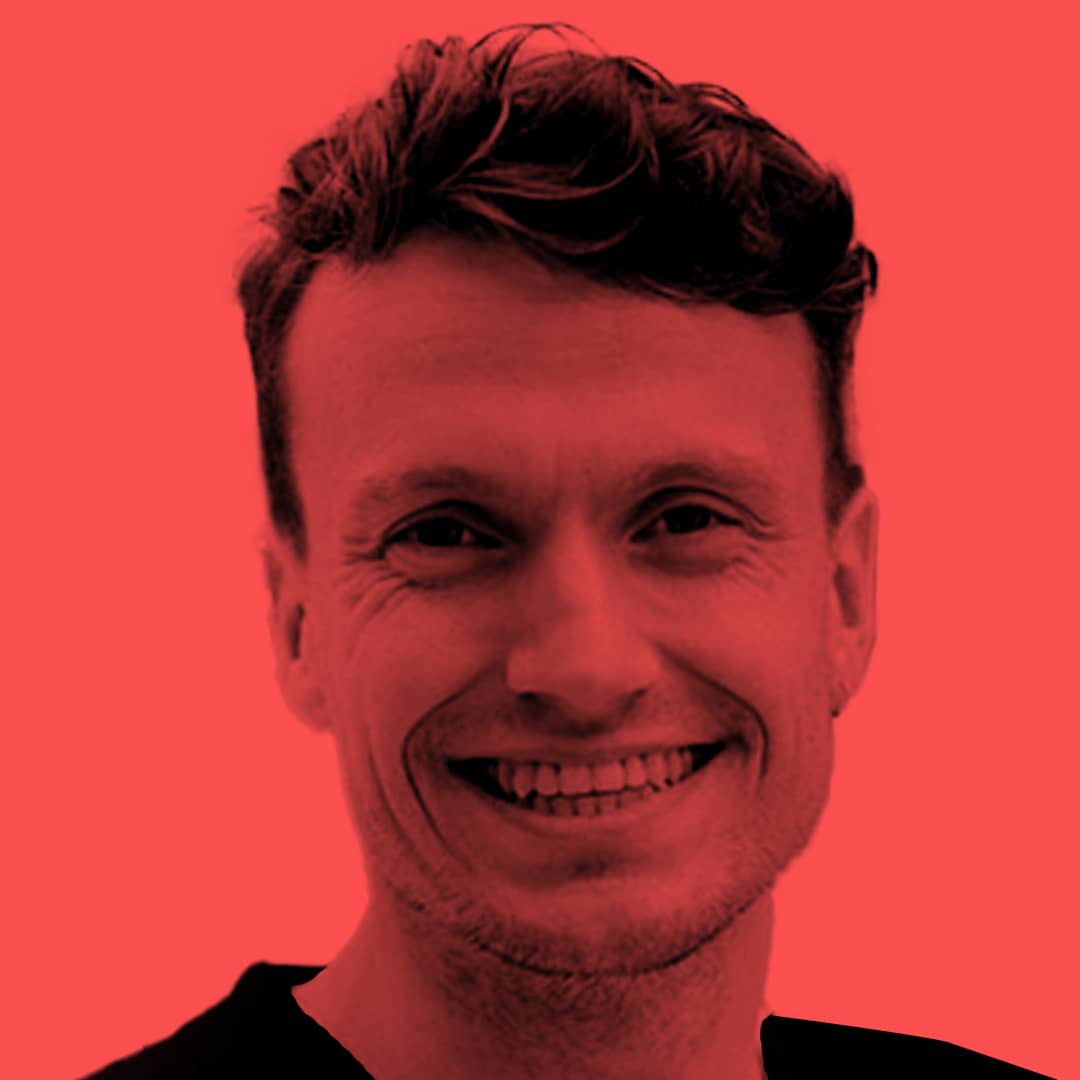
Matthijs joined the Food Transition Fellowship and was placed at BirdLife Europe & Central Asia, one of the continent's leading nature-conservation networks. Working with fellows Katrien Martens and Johanneke Tummers, he helped bring an unprecedented coalition of health and environmental organizations together to advocate for sustainable, plant-rich diets in EU food policy, giving nature and public health a stronger voice at the table.
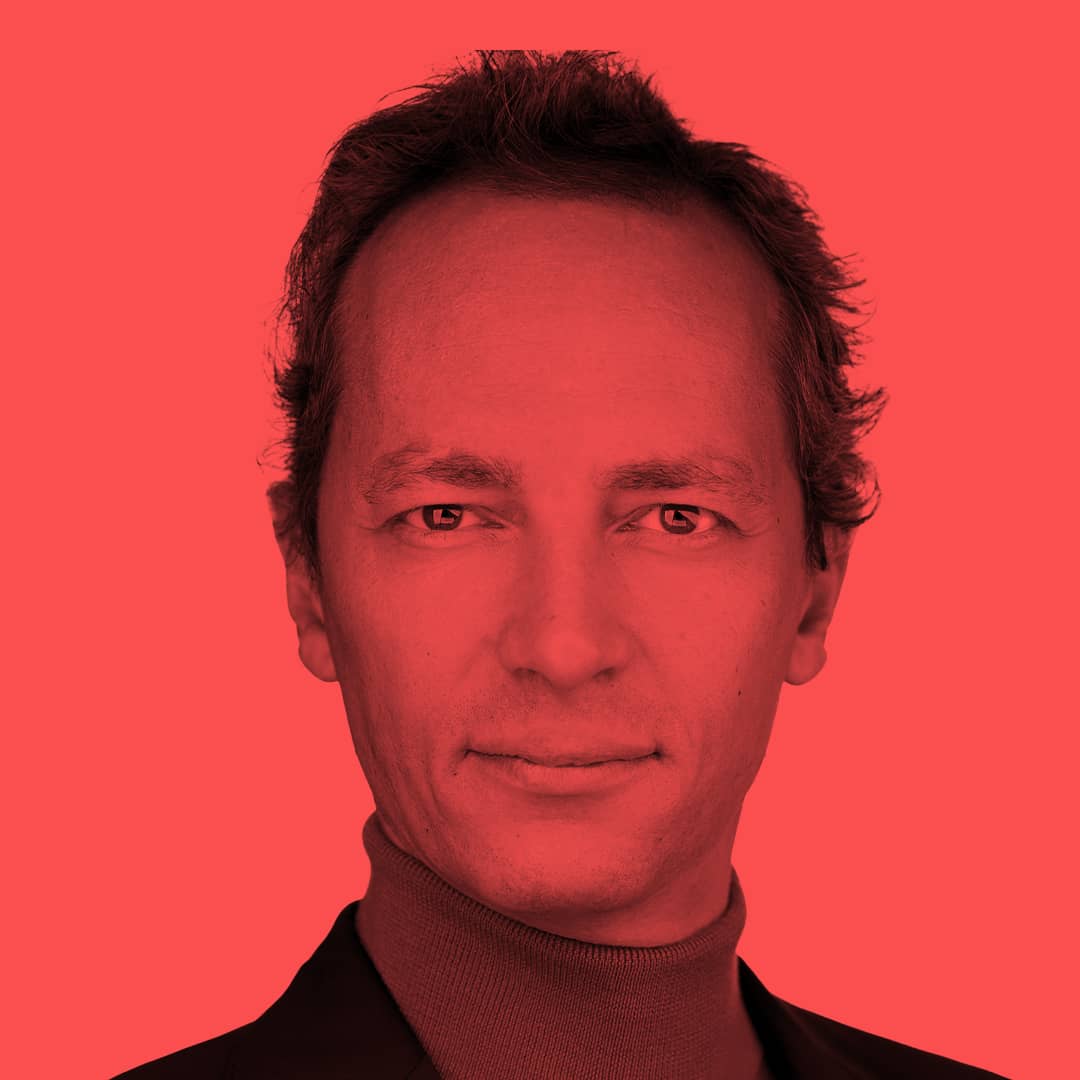
Michele joined the Food Transition Fellowship after fifteen years in international development, having built and led his own organization before deciding he wanted more than a comfortable routine. Placed at the European Policy Centre, a leading Brussels think tank, he worked on advancing sustainable food policy at the EU level. His decision to trade privilege for purpose featured in the Moral Ambition film Privilege.
Featured story
Moral Ambition Films presents: Privilege
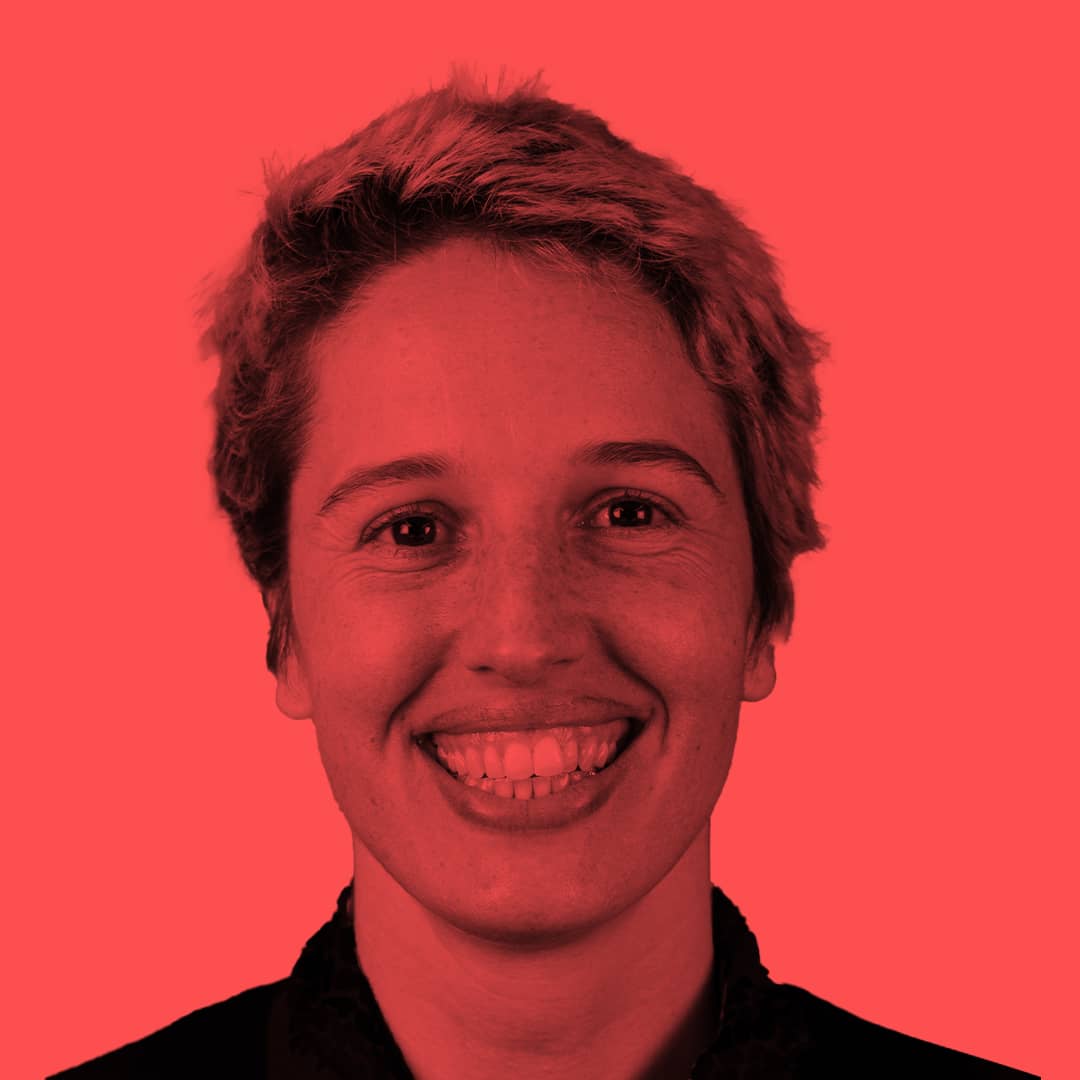
Olivia joined the Food Transition Fellowship from a career as a solicitor with extensive public-sector experience in Australia. Placed at Mighty Earth, a global environmental advocacy organization, she worked to hold the food and agriculture sector to account and push for a more sustainable protein system, driven by the question of whether she could move from good intentions to real results.
Featured story
Moral Ambition Films presents: Frustration
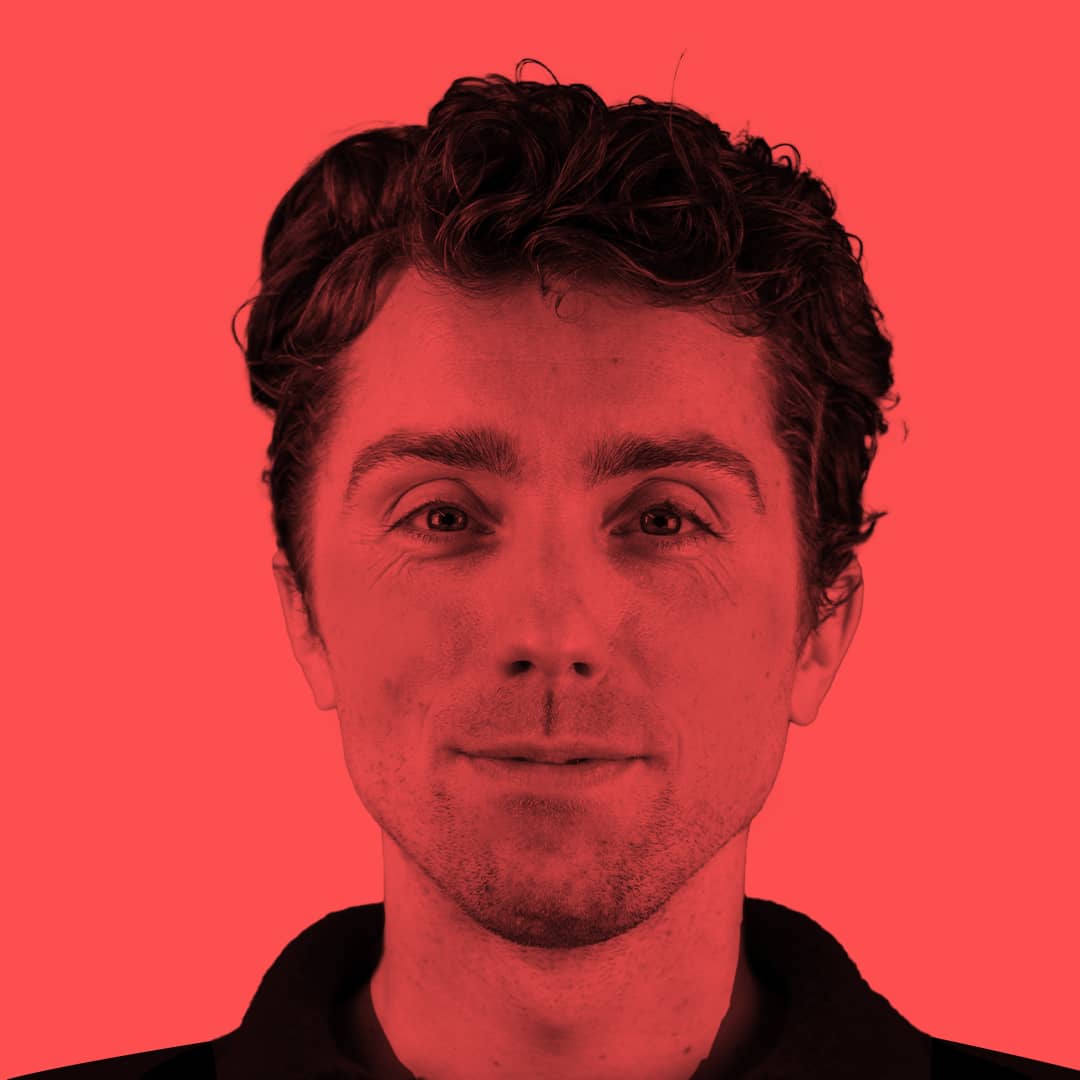
Tijn joined the Food Transition Fellowship and was placed at the Institute for European Environmental Policy, a leading sustainability think tank in Brussels. There he contributed to research and policy work on Europe's protein diversification, helping build the evidence base for a food system that works better for people, animals, and the environment.
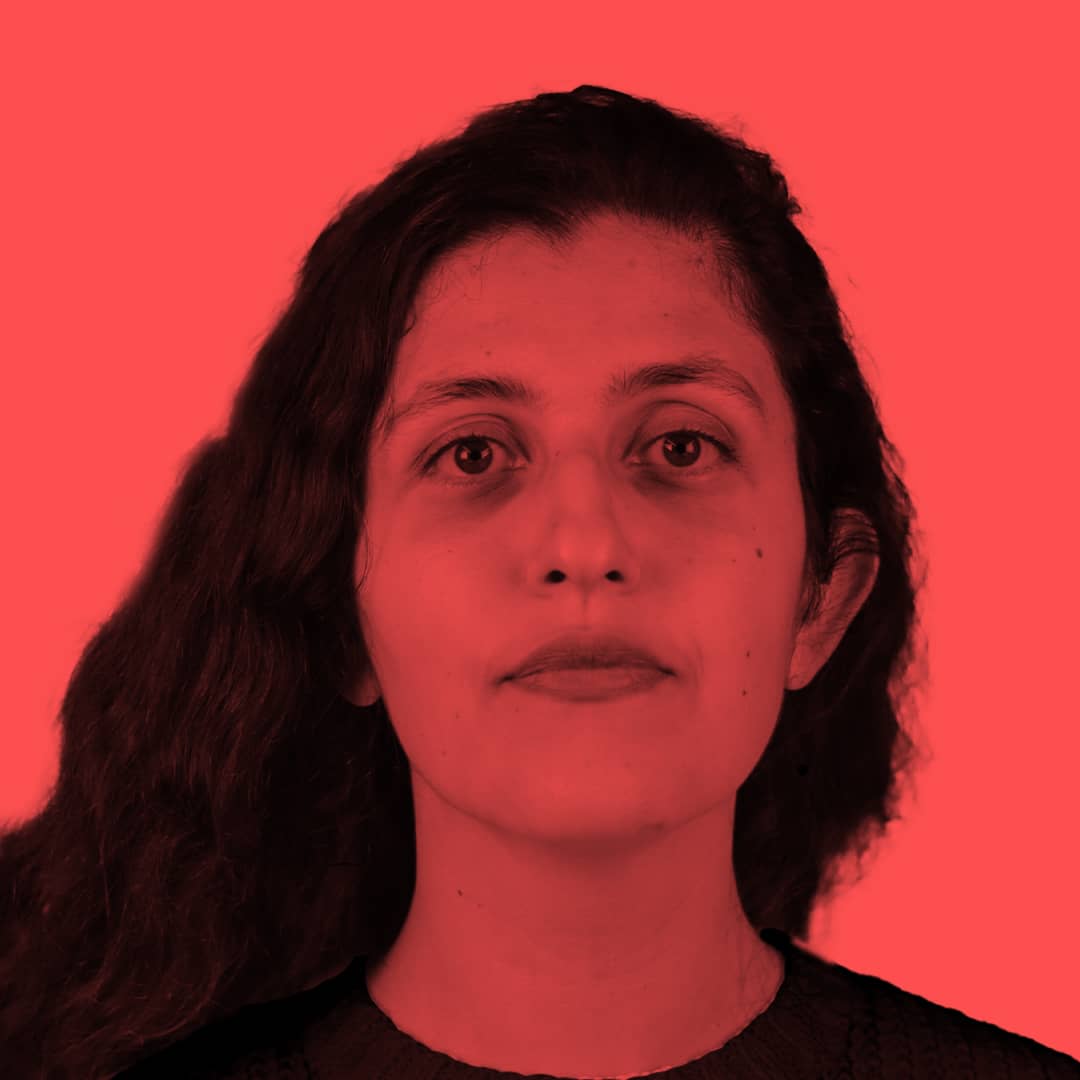
Yasmina joined the Food Transition Fellowship and was placed at Agora Agriculture, a think tank developing evidence-based pathways for a sustainable food and farming system. There she worked on policy analysis to support Europe's agricultural transition, contributing to the case for a food system aligned with climate, health, and environmental goals.
University fellows at Harvard
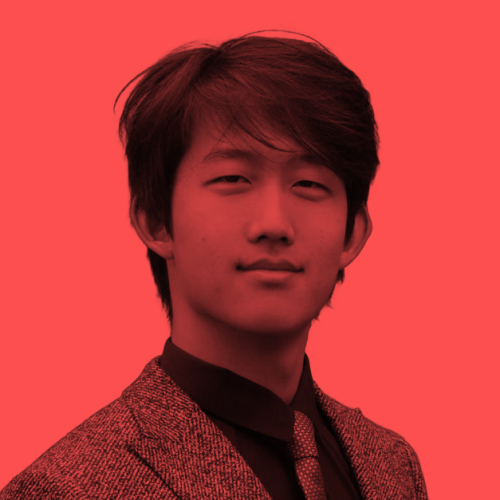
The Moral Ambition University Fellowship pulls the brightest students off the track to consulting and finance and points their ambition at problems that matter. These fellows spend a summer inside high-impact nonprofits, proving there's another path.
.jpg)
.jpg)
.jpg)
.jpg)
.jpg)
.jpg)
.jpg)
.jpg)
.jpg)
.jpg)
our fellows' stories

Discover More
Our Fellowships
Our fellowships support talented professionals to transition into high-impact careers. Gain hands-on experience and learn how to turn your ideals into real policy impact.
.jpg)
Support Us
Start contributing to our mission today — whether it’s by giving your time, your resources, or your expertise. Explore the ways you can get involved and start driving meaningful change with us.
.jpg)
Our Community
The Moral Ambition Community already connects 25,000+ ambitious idealists from 150+ countries. Create your account to join events, expand your network and form a Moral Ambition Circle.
